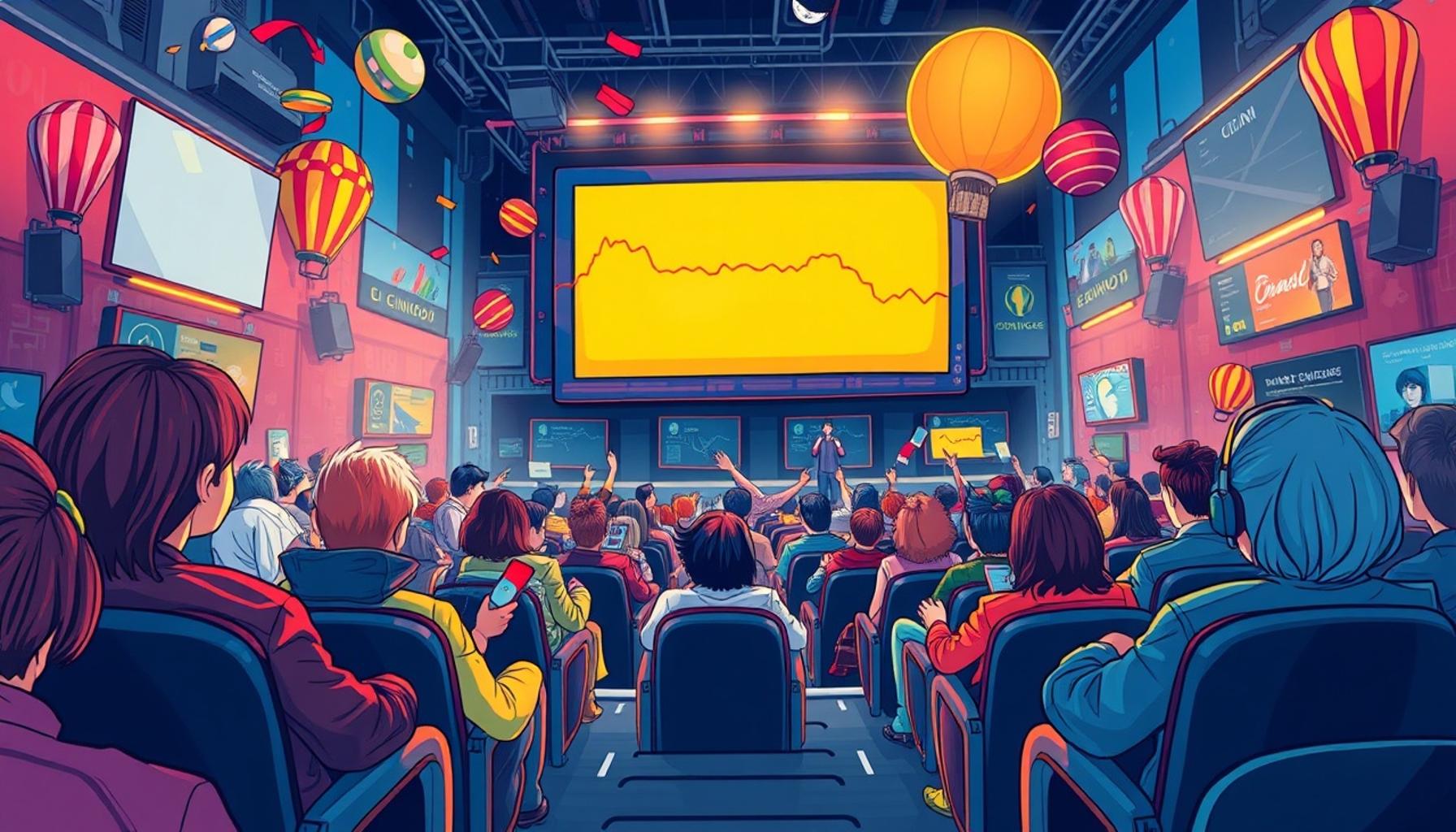
Changes in Young Audience Preferences and How Studios Are Adapting to These Trends

The Changing Dynamics of Youth Entertainment Consumption
The entertainment landscape is undergoing a significant transformation, particularly as it relates to younger audiences. Today’s youth are driving this change with their distinct preferences, which often challenge the traditional methods of content creation. Understanding these evolving dynamics is essential for studios striving to effectively engage with this demographic.
Key Trends Shaping Youth Preferences
The shift in entertainment preferences among younger audiences can be encapsulated by several important trends:
- Shorter Attention Spans: The advent of social media platforms like TikTok, Instagram, and YouTube has conditioned young viewers to consume content in rapid bursts. Instead of investing hours in a series, many prefer quick, compelling bites of entertainment. For example, TikTok videos average 15 to 60 seconds, demonstrating that brevity is not just a preference but an expectation for many young consumers.
- Diverse Representation: Audiences are increasingly advocating for stories that include characters from a multitude of backgrounds and life experiences. Studies show that 68% of young viewers want to see more inclusive casting in their favorite shows and films. Shows like “Sex Education” and “Black Panther” have successfully showcased diverse casts, resonating deeply with these audiences and highlighting the importance of representation.
- Interactivity: Today’s youth crave content that promotes interaction and engagement. Formats like choose-your-own-adventure stories or interactive video games enable viewers to shape the narrative actively. For example, Netflix’s “Bandersnatch,” an interactive film that allows viewers to make choices for the characters, garnered massive attention and engagement from younger viewers.
How Studios Are Adapting
In response to these trends, studios are rethinking their strategies to attract the younger demographic:
- Embracing new technology: Studios are increasingly implementing innovative technology such as virtual reality (VR) and augmented reality (AR) to enhance viewer experiences. VR offers immersive storytelling potential, allowing audiences to step into the narrative in ways that traditional media cannot.
- Creating bite-sized content: Many studios are now focusing on developing shorter episodes or content segments that can capture attention quickly. Platforms like Quibi, although short-lived, highlighted the demand for engaging, easily consumable content made specifically for mobile viewing.
- Fostering community: Many studios are building platforms where audiences can engage with each other to discuss their favorite content, creating a sense of belonging and community. Online forums, social media groups, and interactive live streams allow fans to connect, share thoughts, and feel more invested in the material.
Conclusion
By adapting to these evolving trends, studios position themselves not only to capture the attention of young viewers but also to retain their loyalty over the long term. As competition increases in the entertainment market, understanding and catering to the preferences of youth becomes crucial for sustained success. With a clear focus on inclusivity, diversity, and interactivity, the future of entertainment can remain dynamic and appealing to the ever-changing tastes of younger audiences.
EXPLORE MORE: Click here to discover the impact of streaming platforms
Understanding the Evolving Preferences of Young Audiences
As entertainment consumption habits transform, it’s crucial to delve deeper into the key trends influencing young audiences today. The preferences of this demographic are not merely trends; they represent fundamental shifts in how content is created, consumed, and appreciated. By unpacking these factors, studios can better navigate the complexities of audience expectations and loyalty.
Shorter Attention Spans
The phenomenon of shorter attention spans among younger viewers cannot be overstated. With a continuous stream of content available at their fingertips, audiences have become accustomed to quick gratification. This change is evident in the way they engage with media; for instance, platforms like TikTok and Snapchat emphasize fast-paced, visual content. This preference challenges traditional storytelling methods that often rely on longer formats and complex narratives. Studios are increasingly recognizing that, in order to catch and hold the attention of youth, they must create engaging and dynamic content that can be consumed rapidly.
Diverse Representation Matters
Another critical trend is the demand for diverse representation in media. Young audiences are keenly aware of and sensitive to how they see themselves reflected in films and television shows. They prefer content that showcases a variety of backgrounds, perspectives, and life experiences. As a response to this demand, studios are casting a broader net when selecting actors and writing stories. For instance, Disney’s animated film “Raya and the Last Dragon” prominently features characters from Southeast Asian cultures, illustrating the company’s commitment to inclusivity. Studies have shown that inclusive media not only resonates well with young viewers but also drives greater engagement and loyalty toward the brand.
Craving Interactivity and Engagement
The modern youth audience has a pronounced appetite for interactivity. Traditional linear content consumption is no longer enough; they desire active participation. Formats that allow viewers to make choices or influence the storyline are gaining traction. Interactive storytelling, such as Netflix’s “Black Mirror: Bandersnatch,” invites viewers to take control of the narrative, creating a personalized viewing experience. Additionally, video games, many of which have intricate plots and character developments, successfully blend storytelling with user engagement, further reflecting this trend. The demand for interactivity suggests that studios need to rethink how they structure their narratives, opening doors to innovative content that captivates and involves young audiences.
As we analyze these shifting trends, it becomes increasingly clear that studios must adapt their strategies to remain relevant in the entertainment landscape. By leveraging technology, embracing diversity, and fostering engagement, they not only appeal to young viewers but also set the stage for a new era of storytelling that is reflective of the audience’s desires and expectations.
DISCOVER MORE: Click here to dive deeper
Innovative Strategies for Engaging Young Audiences
As studios strive to meet the changing preferences of young audiences, new strategies are emerging that underscore the importance of adaptability and connection. By utilizing technology, fostering community, and enhancing accessibility, studios are reshaping their approaches to create content that resonates deeply with the youth demographic.
Leveraging Streaming Platforms
The rise of streaming services has fundamentally altered how audiences consume media. Platforms like Netflix, Hulu, and Disney+ offer vast libraries of content that allow young viewers to watch what they want, when they want. This on-demand access grants unprecedented control over viewing experiences. Studios are responding by prioritizing original content tailored for these platforms, often focusing on shorter series or limited-run shows that cater to more specific interests. For example, Netflix’s “The Queen’s Gambit” became a cultural phenomenon, demonstrating how a well-crafted story can captivate viewers in a binge-worthy format. This shift toward streaming encourages studios to invest in high-quality, concise narratives that can hold attention over a series of episodes rather than a single two-hour film.
Emphasizing Social Media Integration
Young audiences are also drawn to social media as a crucial medium for discovering and discussing content. Studios have begun to harness this trend by crafting marketing campaigns that engage users on platforms like Instagram, TikTok, and Twitter. By creating shareable content—such as behind-the-scenes footage, interactive polls, and teaser trailers—studios foster anticipation and community involvement. The success of films like “Barbie,” which generated immense chatter on social media, showcases how effectively positioning content within these platforms can drive viewership. Furthermore, studios are encouraging user-generated content, inviting audiences to create their own videos, memes, or fan art, thus deepening their engagement with the media.
Prioritizing Mental Health and Social Issues
Finally, today’s young audiences are acutely concerned about mental health and social issues. They prefer narratives that tackle these subjects with authenticity and depth. In response, studios are increasingly producing content that addresses real-world challenges, societal concerns, and emotional well-being. Shows like “13 Reasons Why” sparked conversations about mental health among young viewers, despite some controversy regarding its approach. By openly discussing topics such as anxiety, depression, and identity, studios are finding ways to connect more meaningfully with their audience. This strategy not only enhances relatability but also demonstrates a sense of social responsibility, which resonates strongly with younger generations.
Exploring Multiple Formats and Genres
The diversification of formats and genres is another adaptation studios are embracing. Young audiences often enjoy crossover content that blends elements from different genres, such as comedy, drama, and fantasy. Studios are experimenting with blending traditional narratives with new formats, like podcasts and animated series, that appeal to diverse viewing habits. For instance, the success of animated shows like “Big Mouth” showcases how animated storytelling can tackle mature themes while maintaining a humorous approach. This adaptability allows studios to stretch beyond conventional boundaries, creating unique content that captivates a varied audience.
By closely examining these innovative strategies, it is evident that the evolving landscape of young audience preferences is not just a challenge for studios but an opportunity for creative exploration and genuine connection. As they continue to adapt, understanding and implementing these trends will be key to winning the loyalty of future generations.
LEARN MORE: Click here to dive deeper
Conclusion
The dynamic landscape of young audience preferences presents both a challenge and an exciting opportunity for film and television studios. The shift towards streaming platforms has not only changed consumption patterns but has also influenced the type of content being produced. By investing in original, tailored narratives, studios are catering to the desire for flexibility and choice among young viewers. Furthermore, the integration of social media into marketing and content creation allows studios to engage with their audience more interactively, fostering a sense of community that enhances viewer investment.
Moreover, the prioritization of mental health and social issues within storytelling reflects the growing awareness among younger generations. This not only enriches the narratives but reinforces the responsibility of studios to contribute positively to societal conversations. The exploration of multiple formats and genres offers further avenues for creative expression, ensuring that diverse audiences find content that resonates with them.
As studios continue to adapt to these trends, it is clear that understanding young audiences involves more than just recognizing their preferences; it requires a continued commitment to innovation and engagement. By embracing these changes, studios can not only stay relevant but also cultivate a loyal viewership that feels personally connected to the stories being told. Ultimately, the successful navigation of this evolving landscape will depend on studios’ ability to remain attuned to the voices and values of the next generation, paving the way for meaningful connections in media for years to come.

Linda Carter
Linda Carter is a writer and expert known for producing clear, engaging, and easy-to-understand content. With solid experience guiding people in achieving their goals, she shares valuable insights and practical guidance. Her mission is to support readers in making informed choices and achieving significant progress.