The Revolution of Immersive Cinema: How Emerging Technologies Are Transforming the Audience Experience
Transformative Technologies in Cinema
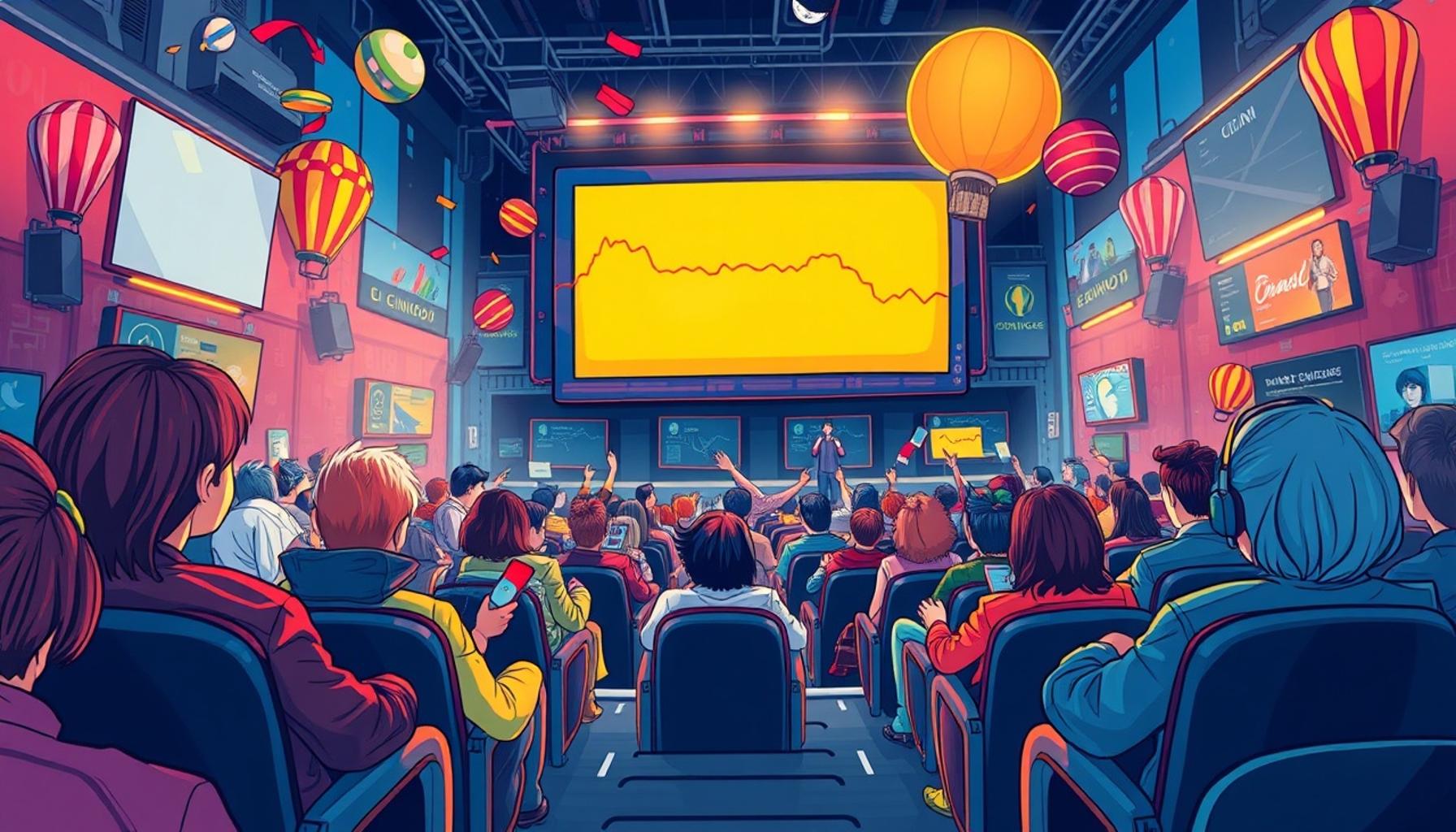
In recent years, the world of cinema has witnessed a remarkable transformation, primarily driven by the advent of cutting-edge technologies. These innovations are inviting audiences to engage with films like never before, creating a more dynamic and interactive viewing experience that traditional screenings cannot replicate. This evolution is not just a technological upgrade; it signifies a fundamental shift in how stories can be shared and perceived.
Several key technologies are at the forefront of this cinematic revolution, including:
- Virtual Reality (VR) – This technology immerses viewers into the heart of the story, allowing them to feel as if they are living within the film. For instance, think of a VR experience where you can explore the post-apocalyptic world of a movie, potentially discovering hidden elements and storylines that would go unnoticed in a conventional viewing.
- Augmented Reality (AR) – AR enhances the storytelling experience by seamlessly blending real-world elements with digital content. For example, imagine using a smartphone app that overlays character animations onto your living room, transforming it into the movie set and allowing interaction with the characters in your own space. This creates a unique way to connect with the narrative on a personal level.
- 360-Degree Video – This format provides an immersive environment where audiences can explore every angle of a scene. Picture yourself at a concert film where you can turn your head, not just to watch the performers, but to take in the entire venue and the atmosphere around you. This ability to control your viewpoint significantly enhances the overall experience.
These innovations are reshaping how stories are told and experienced by the audience. Imagine attending a film where you can walk around the set, interact with characters, or even influence the storyline with your choices. This level of engagement fosters a deeper emotional connection with the content, transforming passive viewers into active participants. Such interactions can heighten the impact of the narrative, prompting viewers to invest more emotionally in the characters and story arcs.
As we delve further into this captivating topic, we will explore how these technologies are enhancing the cinematic experience while simultaneously creating new opportunities for filmmakers. The birth of immersive cinema not only signifies a new frontier for storytelling but also opens doors for unique collaborations and innovative revenue streams for the film industry. Together, let’s uncover the potential of immersive cinema and see how it is changing the landscape of storytelling in film.
DIVE DEEPER: Click here to discover the streaming revolution
The Expanding Horizons of Storytelling
As technologies advance, their role in cinema goes far beyond mere enhancements to visuals and sound. They are fundamentally shifting the very way stories are conceived, told, and experienced. One of the most significant aspects of immersive cinema is its ability to dissolve the boundary between the audience and the film. This creates an experience where viewers are not just spectators but integral parts of the narrative. Such an evolution fosters a sense of ownership over the experience, contributing to a deeper emotional resonance with the film.
Virtual Reality (VR) serves as a prime example of this shift. VR installations allow viewers to enter the world of a film physically. With VR headsets, audiences can step into richly detailed environments, look around, and interact with objects and characters as if they were truly there. Consider experiences like the VR adaptation of “The Walking Dead,” where fans can wander a zombie-infested landscape, making choices that impact their survival. This engagement prompts viewers to experience a film on a sensory level that traditional movies cannot offer.
In addition to VR, Augmented Reality (AR) is taking immersion a step further by layering digital elements onto the real world. A noteworthy example is the app launched alongside “Pokémon GO,” which allowed players to interact with Pokémon in their everyday surroundings. Imagine a film that utilizes AR to allow viewers to interact with the characters or objects from the story in their homes. Audiences could receive notifications about plot twists that unfold in real-time while using their phones or tablets, encouraging a dynamic exchange between the audience and the film that is both engaging and interactive.
The use of 360-degree video has also revolutionized how audiences experience visuals. This technology allows viewers to look in any direction within a scene, making them feel as if they are in the middle of the action. For instance, consider a nature documentary that showcases wildlife. A viewer can pivot their gaze to see a lion stalking its prey while simultaneously observing the surrounding savannah. This variety allows for a richer understanding of the environment and context, enhancing engagement and retention of information.
The potential for these technologies opens up several new dimensions for storytelling, encouraging filmmakers to think outside the traditional narrative box. Some ways in which emerging technologies are changing cinema include:
- Personalized storylines where audience choices dictate the progression of the narrative.
- Interactive screenings that allow real-time audience participation, such as voting on plot developments.
- Immersive experiences that integrate multisensory elements like smell or tactile feedback, further enveloping viewers in the story.
As filmmakers experiment with these tools, we begin to see a transformation not just in the products they create, but also in the relationship between the creator and the audience. This merging of technology and storytelling is setting the stage for a new form of cinematic expression, where emotional connection and audience engagement take center stage. Craig McHugh, a noted film critic, suggests that films might soon evolve into experiences that incorporate elements familiar to video games, providing audiences with agency while still preserving the artistry of filmmaking. Such exciting possibilities hint at a future where immersive cinema redefines not only blockbusters but also independent projects, further diversifying the landscape of storytelling.
DIVE DEEPER: Click here to learn more
Engagement Beyond the Screen
The advent of immersive cinema brings not only innovative storytelling techniques but also a profound transformation of audience engagement. With traditional cinema, the viewer is typically passive, receiving content that is carefully curated by the filmmakers. However, emerging technologies are encouraging a more participatory role for viewers, reshaping how they connect with narratives on emotional and intellectual levels.
One of the pivotal advancements in this realm is interactive narratives. With platforms like Netflix experimenting with interactive storytelling, the concept of audience agency is rapidly gaining traction. Take, for example, “Black Mirror: Bandersnatch,” a film where viewers can make decisions for the protagonist, leading to various outcomes. Each choice involves engaging viewers in critical thinking and reflection about their moral compass. This kind of interactivity presents a unique opportunity for viewers to question not only the story’s outcome but their own values and priorities.
Furthermore, technologies such as haptic feedback are revolutionizing immersion by incorporating physical sensations in addition to visual and auditory stimuli. Imagine watching a thriller where your seat vibrates during intense sequences or simulates the impact of explosions. This integration of tactile experiences not only elevates the emotional stakes but also enhances the overall immersion, making viewers feel a part of the action in unprecedented ways. Industry leaders are working on creating devices that will allow audiences to feel weather changes, like a cold breeze during a scene set in a winter landscape, further enveloping them in the cinematic experience.
The social aspect of watching films is also evolving through technology. With social viewing platforms, people can watch movies together, even from a distance, while sharing their reactions in real-time. Platforms that allow users to participate in live chats or use emojis to express emotions during tense moments are fostering a communal experience, breaking down the solitary nature of traditional film-watching. For instance, during a release event for a blockbuster film, fans can gather on a streaming service and share their excitement in an interactive audience environment. This connectivity not only enhances engagement but also builds a fan community that extends beyond the credits of a film.
Moreover, location-based experiences are becoming increasingly popular, allowing audiences to step outside conventional theaters. For instance, immersive experiences inspired by films like “Harry Potter” and “The Lion King” invite fans to walk through elaborately designed sets, interact with actors, and participate in live-action scenes. Such events bring participants closer to the narratives they cherish, offering a tangible connection with the stories and characters that once existed solely on-screen.
The impact of these innovations is profound, as filmmakers and content creators are called upon to rethink their conventional approach to storytelling. By embracing technology that fosters interactivity and engagement, the cinematic landscape is becoming a dynamic playground where viewers have a say and an emotional stake in their experiences. This shift is not merely about entertainment; it is transforming how stories are perceived and understood, creating a new culture of storytelling that values participation and emotional investment in equal measure. As we continue to explore these emerging forms of cinema, one thing is certain: the audience’s role is evolving, and with it, the essence of storytelling itself.
LEARN MORE: Click here for deeper insights
Final Thoughts on Immersive Cinema
The revolution of immersive cinema marks a significant turning point in how audiences interact with film. As we have explored, the integration of emerging technologies such as interactive narratives, haptic feedback, social viewing platforms, and location-based experiences is not merely enhancing entertainment; it is fundamentally altering the very fabric of storytelling. Viewers are no longer passive consumers; they are becoming active participants, shaping their narrative journeys and engaging in deeper emotional connections with the stories being told.
This shift towards interactivity provides viewers with opportunities for reflection and moral consideration, as evidenced by choices in films like “Black Mirror: Bandersnatch.” The sensory experiences that accompany modern cinematic presentations allow audiences to feel as though they are living within the narrative itself, bridging the gap between fiction and reality. Moreover, the rise of community-based viewing fosters a sense of shared experience, breaking down traditional barriers and building vibrant, globally connected fan communities.
As we continue to navigate this evolving landscape, it is crucial for filmmakers, creatives, and technology innovators to prioritize authenticity and inclusivity in their approaches. The goal should be to create rich, multifaceted experiences that resonate on both personal and communal levels. With audiences increasingly seeking films that engage both their minds and hearts, the future of cinema promises to be more dynamic, interactive, and ultimately fulfilling than ever before. The journey into this new realm is just beginning, and its full potential is ripe for exploration and discovery.

Linda Carter
Linda Carter is a writer and expert known for producing clear, engaging, and easy-to-understand content. With solid experience guiding people in achieving their goals, she shares valuable insights and practical guidance. Her mission is to support readers in making informed choices and achieving significant progress.