Streaming and Artificial Intelligence: How Platforms are Shaping the Future of Entertainment

The Transformation of Entertainment through Technology
Over the past decade, the landscape of entertainment has transformed dramatically. With the rise of streaming services and the integration of Artificial Intelligence (AI), audiences now experience content in ways that were once unimaginable. The convenience and accessibility offered by these platforms have reshaped our viewing habits, making it essential to understand the role of AI in this revolution.
The Role of Streaming Platforms
Streaming platforms like Netflix, Spotify, and Hulu are leveraging AI to enhance user experience and personalize content offerings. This is a game-changer for viewers who have been inundated with choices but often struggle to find what they truly want to watch or listen to. To navigate this vast sea of content, AI plays a crucial role by using complex algorithms that rely on user data.
- Personalized Recommendations: AI algorithms analyze viewing patterns, such as the genres you frequently watch, the time spent on certain titles, and your ratings on various shows. For example, if you enjoy crime dramas, the system might recommend trending series like “Mindhunter” or documentaries like “The Keepers.” This individualized approach not only saves time but also enhances viewer satisfaction by presenting options that align closely with personal interests.
- Content Creation: AI is now involved in the early stages of production, helping creators analyze scripts, identify potential plot holes, and even predict audience reactions before a film or series is released. For instance, tools that gauge emotional responses can indicate if a particular scene will resonate with viewers, allowing producers to make data-driven decisions to adjust content, similar to how Netflix utilized AI in deciding to fund “The Irishman” based on predictive analytics of audience engagement.
- Enhancing User Experience: Chatbots and virtual assistants powered by AI significantly improve user experience by simplifying navigation and addressing viewer questions promptly. For example, platforms now employ AI-driven chatbots to help users with troubleshooting, recommend content based on spoken prompts, or provide information about upcoming releases, ensuring that users feel supported and engaged throughout their streaming experience.
The Bigger Picture
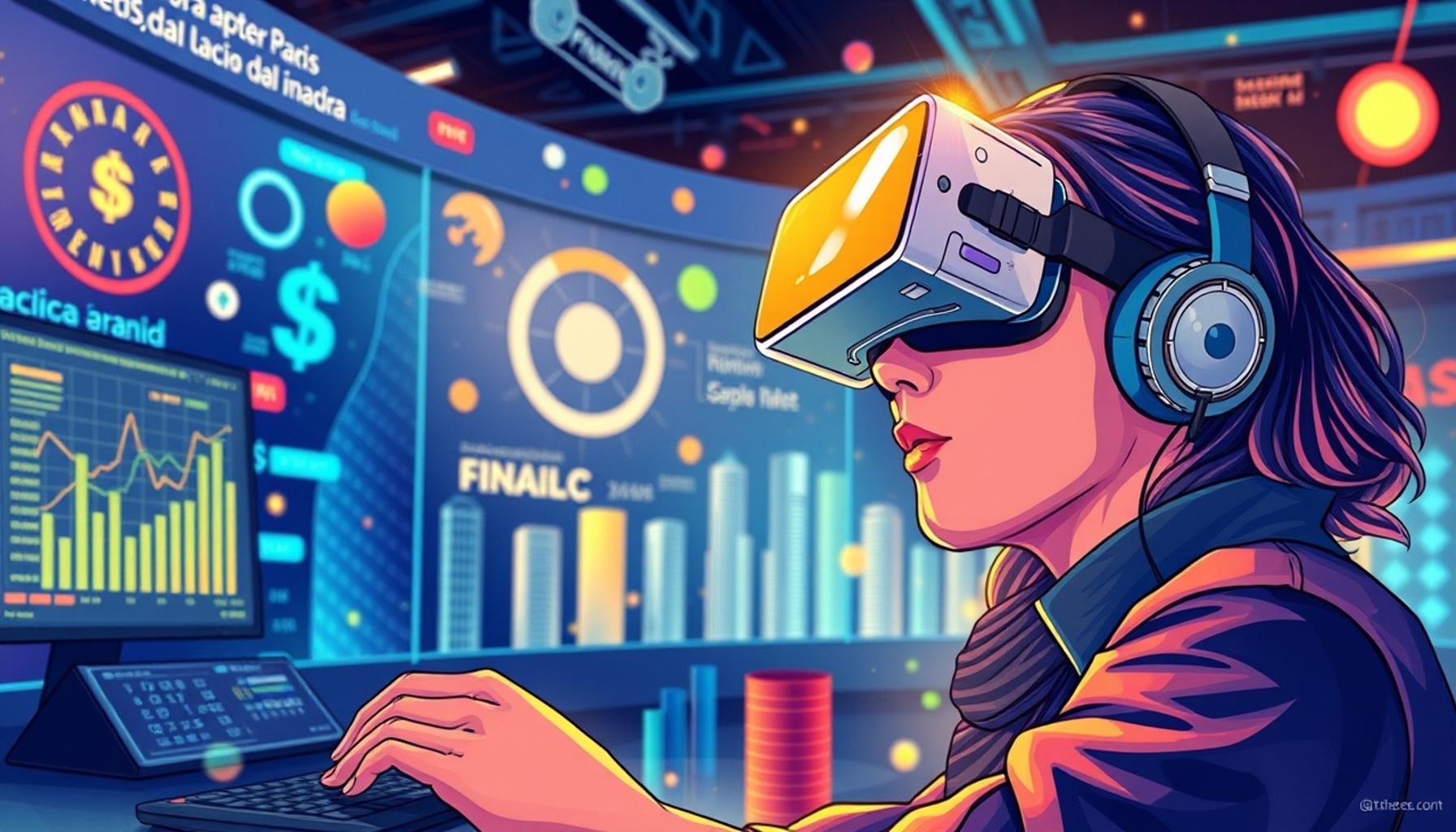
This blending of technology with entertainment not only changes how we consume media but also impacts what content is being created. As AI continues to evolve, we can expect even more innovative features, such as advancements in deepfake technology for creating lifelike character animations or immersive storytelling experiences through virtual reality (VR).
As we delve deeper into this topic, we will explore the implications of AI in streaming and how it shapes the future of entertainment for viewers across the United States. Understanding these trends will help viewers appreciate the technological advancements that make their favorite shows and music more accessible and enjoyable than ever before.
DISCOVER MORE: Click here to dive deeper
Shaping Entertainment through Personalization
As streaming services continue to dominate the entertainment market, the integration of Artificial Intelligence is enhancing how audiences engage with content. The issue of choice overload—where viewers are overwhelmed by the sheer amount of available media—has prompted companies to invest heavily in AI technologies that can streamline this experience. By personalizing content delivery, these platforms not only cater to the individual tastes of their users but also optimize their own business models.
Understanding User Preferences
One of the most remarkable contributions of AI in streaming is its ability to understand and predict user preferences. These platforms compile an extensive amount of data from user interactions, which they analyze to offer tailored recommendations. This capability is especially important in the context of driving user engagement and retention. Key features include:
- Behavioral Analytics: Platforms gather data on what shows or songs users watch or listen to most frequently. This analysis extends beyond mere watch history; it tracks behaviors such as how long users linger on specific titles or what they add to their watchlists. For instance, if a user frequently skips romantic comedies but enjoys action thrillers, the AI would prioritize recommending content from the latter genre.
- Trend Identification: AI not only considers individual user behavior but also identifies broader trends. By crunching data from millions of users, it can detect emerging interests and popular genres. This feature allows platforms to position themselves more strategically in the competitive entertainment landscape. For example, if there is a resurgence in interest for 90s sitcoms, platforms may prioritize highlighting classic shows from that era in their recommendations.
- Adaptive Learning: As user preferences shift over time, AI systems adapt accordingly. This means that a platform that initially provided recommendations based on a user’s historical data will continuously update its insights to remain relevant. If a user suddenly starts delving into documentaries after a period of consuming predominantly comedies, the system learns from this change and adjusts its suggestions in real-time.
This level of personalization makes the viewing experience significantly more enjoyable, allowing users to waste less time scrolling through options that don’t appeal to them. In addition, by enabling platforms to understand viewer preferences more accurately, AI helps streamline content delivery, ensuring that the most suitable titles are placed front and center.
Content Discovery and Accessibility
As streaming services strive to offer an unparalleled viewing experience, the role of AI in content discovery and accessibility cannot be overstated. By ensuring that relevant content is easy to find, these platforms help users feel more connected to the media they consume, fostering a deeper appreciation for diverse storytelling.
As we continue to explore how these technologies are shaping the future of entertainment, it becomes crucial to examine the implications not just for viewers, but also for creators and the industry as a whole. AI is changing how stories are told and how they reach audiences, painting a promising picture for the evolution of media consumption in the United States.
DISCOVER MORE: Click here to dive deeper
The Impact on Content Creation
While personalization is reshaping user experiences, the influence of Artificial Intelligence extends into the very art of content creation itself. Streaming services are leveraging AI not just to recommend shows, but also to develop and produce new content tailored to current audience preferences. This transformation is certainly reshaping the landscape of storytelling and production in the entertainment industry.
Data-Driven Storytelling
AI facilitates what is known as data-driven storytelling. By analyzing viewer data, platforms can glean insights into which themes, character arcs, and genres resonate most with their audiences. This analysis can inform everything from the initial concept of a program to its script and marketing strategies. For instance, if a streaming service notices that a significant percentage of its viewership is drawn to psychological thrillers centered on moral dilemmas, it might greenlight a series that taps into those elements.
Moreover, AI can assist in writing scripts or creating storyboards by providing creative teams with data-backed suggestions. This practice is increasingly becoming commonplace, with some platforms exploring tools that automate aspects of scriptwriting based on successful patterns observed in popular shows. While human writers remain at the heart of creativity, AI can act as a supportive assistant, opening up new avenues for storytelling that align with audience preferences.
Enhancing Production Efficiency
Beyond story development, AI has the potential to streamline the production process significantly. Algorithms can predict production costs and analyze which elements might reduce budgets without compromising quality. For example, AI can assess weather patterns to determine optimal filming schedules, minimizing delays and unforeseen expenses. Additionally, AI technologies can enhance casting decisions by analyzing actor performances, audience appeal, and even social media metrics, helping producers select talent that aligns with viewer interests.
Another noteworthy advancement is in visual effects and post-production. AI-powered tools can assist in editing footage, identifying the best shots, and even creating special effects that conform seamlessly to a project’s aesthetic. Such capabilities not only save time but also provide smaller studios with access to high-quality production resources, leveling the playing field in an industry that has traditionally favored larger corporations.
New Formats and Interactive Experiences
Streaming services are also experimenting with new formats and interactive storytelling, partly fueled by AI advancements. Platforms have begun incorporating elements like choose-your-own-adventure narratives, allowing viewers to influence the storyline based on their decisions. Netflix’s “Bandersnatch” is a prime example of this, where viewers navigate the plot through various choices, resulting in multiple possible endings. Such innovations are appealing to a digital-savvy audience that craves interactivity beyond passive viewing.
AI’s capabilities are paving the way for even more immersive experiences in the future. With the rise of virtual reality (VR) and augmented reality (AR), AI systems can create personalized interactive environments that blur the lines between viewer and participant. This expansion of what it means to consume entertainment could fundamentally change audience expectations and engagement with content.
As streaming platforms continue to harness the power of AI, the landscape of entertainment will undoubtedly evolve. By melding personalization with novel content creation techniques, the future will likely feature an exciting blend of individualized storytelling and interactive experiences tailored to the preferences of viewers. With this dynamic interplay between technology and creativity, the future of entertainment holds boundless possibilities.
EXPLORE MORE: Click here to dive deeper
Conclusion
As we explore the intersection of streaming services and artificial intelligence, it becomes clear that these technologies are not only transforming how we consume entertainment but also how it is created and delivered. The emphasis on personalization enhances user experiences, making it easier for audiences to discover content that resonates with their preferences. At the same time, AI-driven insights are revolutionizing content creation by enabling data-driven storytelling, assisting writers, and optimizing production processes.
Moreover, innovative formats and interactive experiences are emerging, allowing viewers to take an active role in the narrative through platforms that offer choose-your-own-adventure pathways. This shift toward interactivity reflects the evolving expectations of a more technologically-savvy audience eager for engagement beyond traditional viewing experiences.
Ultimately, the ongoing integration of AI in the entertainment sector suggests a promising future, rich with opportunities for creators and viewers alike. As streaming platforms continue to leverage AI capabilities, the potential for entirely new forms of storytelling and audience engagement will undoubtedly reshape the landscape of entertainment. In this dynamic environment, collaboration between technology and creativity will be essential, fostering a new era of captivating entertainment that is not only tailored to individual tastes but also increasingly inclusive and engaging. The future holds exciting possibilities, inviting us all to explore the evolving narratives that await.

Linda Carter
Linda Carter is a writer and expert known for producing clear, engaging, and easy-to-understand content. With solid experience guiding people in achieving their goals, she shares valuable insights and practical guidance. Her mission is to support readers in making informed choices and achieving significant progress.