Impact of New Technologies on Creating Personalized Cinematic Experiences for the Consumer

Transformative Technologies in Film Consumption
In today’s rapidly evolving digital landscape, new technologies are significantly transforming the way we consume films and videos. This shift is not only changing the content we access but also how we experience it. As technology advances, it becomes imperative to examine the innovations that are reshaping our interactions with cinematic content.
To address the growing desire for personalized and engaging viewing experiences, several innovations have emerged. These advancements provide unique opportunities for audiences to engage with films in ways previously unimaginable. Below are three key aspects of this transformation:
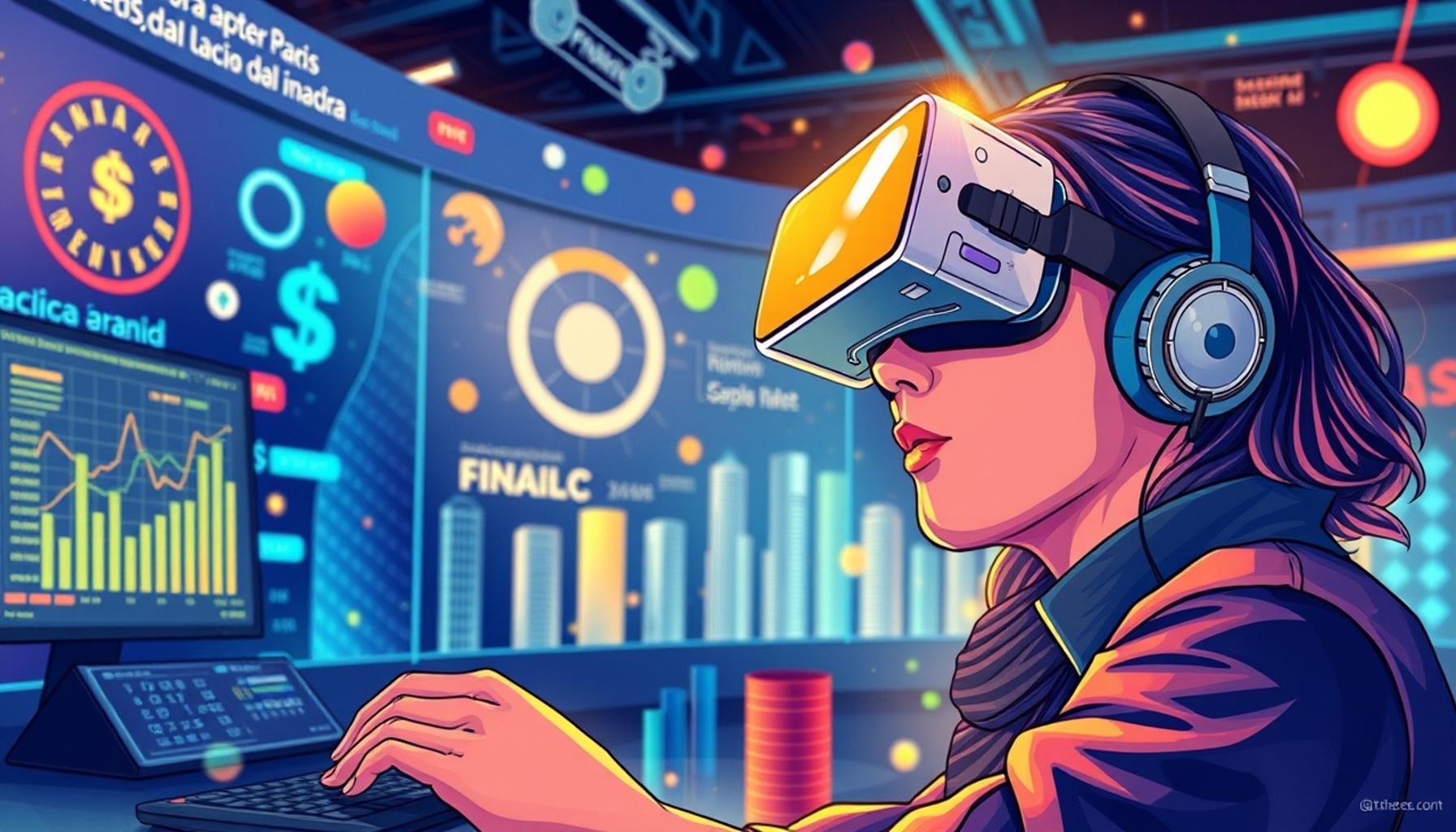
- Virtual Reality (VR): This immersive technology allows users to step directly into their favorite films, creating a unique interaction with the storyline. For instance, VR experiences such as “Star Wars: Secrets of the Empire” let users don a VR headset and physically explore environments, making them feel like they are part of the action. This level of engagement not only enhances entertainment value but also creates lasting emotional connections to the narratives.
- Artificial Intelligence (AI): AI-driven algorithms play a crucial role in suggesting content tailored to individual preferences. Platforms like Amazon Prime Video analyze viewing habits to recommend films and shows that align with user tastes. For example, if a viewer consistently watches romantic comedies, the platform might recommend new releases in that genre or even unscripted content featuring romantic themes, enhancing the overall viewing experience.
- Streaming Services: Services such as Netflix and Hulu have revolutionized how we consume media. These platforms offer customizable interfaces and personalized watchlists that cater to individual viewer preferences. By using advanced data analytics, streaming services can track what genres viewers prefer at different times, allowing for a more curated lineup of shows and films for each user. This personalized approach ensures that audiences spend less time searching for content and more time enjoying it.
The combination of these technologies contributes to a richer and more individualized cinematic experience. Consumers now enjoy interactive storytelling that resonates with their interests and emotions. Instead of passively watching films, audiences can actively participate in the storyline, influencing the course of events through interactive platforms like “Bandersnatch,” an interactive film on Netflix that allows viewers to make choices for the main character.
As we explore this topic further, it becomes evident how these advancements are reshaping the film industry and empowering audiences, creating a new standard for personal entertainment experiences. The potential for innovative storytelling is limitless, suggesting a bright future where technology and creativity coexist to provide extraordinary viewing experiences that cater to the diverse preferences of consumers.
DISCOVER MORE: Click here to learn about the future of cinematic experiences
Enhanced Interactivity and Engagement in Film
The advent of new technologies has not merely changed how films are consumed; it has fundamentally transformed the very nature of the cinematic experience. As viewers crave more immersive and interactive options, filmmakers and technology developers are innovating ways to meet these demands, leading to a customized journey through storytelling. This personalization is achieved through various technological advancements, which notably enhance interactivity and viewer engagement.
One of the most intriguing elements of this transformation is the rise of interactive storytelling. Unlike traditional films where viewers are mere observers, interactive films offer an experience where they can influence the direction of the narrative. For example, titles like “Black Mirror: Bandersnatch” on Netflix allow viewers to make choices for the characters, resulting in multiple outcomes based on user selection. This level of participation not only fosters a deeper connection to the content, but it also encourages repeated viewings, as audiences may wish to explore different paths and endings.
Moreover, the integration of gamification elements into films is an emerging trend that further amplifies viewer engagement. By incorporating game-like features—such as achieving goals or unlocking bonus scenes—filmmakers can create an enriching viewing experience. An excellent example of this is the use of mobile apps that accompany feature films, allowing users to access exclusive content or participate in challenges related to the film. This blend of gaming and film not only caters to consumers’ preferences for flexible engagement but also fosters community building among fans who share their experiences.
Aside from gamification and interactive storytelling, another critical aspect of personalized cinematic experiences is the role of data analytics. Streaming platforms like Netflix and Disney+ utilize sophisticated algorithms to analyze viewer behavior. By understanding what types of content resonate with individual users, these platforms can tailor viewing recommendations, highlighting films or series that align with specific interests. For instance, if a user frequently streams documentaries on climate change, the algorithm might recommend related films or series, ensuring that the content feels relevant and catered to their passions.
- Customized Recommendations: Specific algorithms create a tailored viewing experience by suggesting content based on user demographics, viewing history, and even interactive choices made in previous watches.
- User Profiles: Many streaming services allow users to create individual profiles, ensuring personalized recommendations align with distinct viewing preferences within shared accounts.
- Social Sharing: Viewers can share their choices and experiences on social media, creating a community dialogue around their personalized viewing habits and favorite content.
These advancements in technology highlight an undeniable shift towards a more personalized cinematic journey. By embracing interactive storytelling, gamification, and data analytics, the film industry can cater to diverse audiences, making each viewing experience more engaging and fulfilling. Ultimately, this ecosystem of technology not only inspires creativity among filmmakers but also empowers consumers to take control of their viewing preferences, making it a more enriching endeavor overall.
DISCOVER MORE: Click here to delve into the impact of diversity and inclusion</a
The Rise of Virtual Reality and Augmented Reality in Cinema
As the film industry continues to evolve, the integration of Virtual Reality (VR) and Augmented Reality (AR) technologies is revolutionizing personalized cinematic experiences. These technologies immerse viewers in virtual worlds, enabling them to engage with stories in ways that traditional cinema cannot achieve. By placing users at the center of the narrative, VR and AR open new avenues for exploring character perspectives, settings, and plot developments, creating a deeply personal connection to the storyline.
One of the most remarkable examples of VR in cinema is the experience offered by companies like Oculus and Magic Leap. They have developed immersive experiences such as “The Invisible Hours,” where players assume different characters’ roles in a multi-layered narrative, allowing them to explore the plot from various angles. This experiential storytelling invites viewers to become part of the action, transforming them into active participants rather than passive observers. Such engaging experiences encourage viewers not just to watch, but also to explore, creating a more captivating engagement with the narrative.
In addition to VR, AR can also enhance personalized cinematic experiences. Through AR applications, filmmakers can extend storytelling beyond the screen and into the viewer’s immediate environment. For instance, the use of AR in marketing campaigns, such as the Snapchat lenses tied to movie releases, allows users to interact with characters and scenes in real-time. This blend of real and virtual worlds creates an unforgettable connection to the film, as viewers can see their favorite characters interacting within their personal spaces, fostering a more intimate bond between the consumer and the film.
The Importance of Audience Feedback Mechanisms
As technologies advance, the ways filmmakers gather and analyze audience feedback have seen substantial improvements. The incorporation of real-time feedback tools into streaming platforms is changing how narratives evolve after initial releases. Features like live polling or integrated feedback options encourage viewers to share their experiences while watching, allowing filmmakers to adjust aspects of storytelling or character development based on audience preferences.
Moreover, the rise of social media networks has also contributed significantly to this feedback loop. Platforms like Twitter or Instagram enable instant viewer reactions, which filmmakers can use to gauge audience sentiment and better understand viewer interests. For example, a director may choose to pivot a sequel’s narrative based on overwhelming audience support for a particular character or plotline, enabling a more personalized viewing experience for future installments.
- Community Engagement: Filmmakers can utilize real-time feedback to foster stronger connections with audiences by directly involving them in the content creation process.
- Dynamic Storytelling: The ability to adapt narratives based on viewer reactions has the potential to create more relatable and resonant stories that align with audience desires.
- Focus Groups and Screening Events: Traditional methods of gathering opinion data can be enhanced with digital tools that allow for broader and quicker audience assessments.
These advancements in VR, AR, and audience feedback mechanisms underline a significant shift towards consumer-centric cinematic experiences. By embracing these technologies, filmmakers can offer engaging, interactive narratives that resonate deeply with viewers, ultimately contributing to a richer, more personalized film landscape. As audiences increasingly prefer tailored experiences, these innovations ensure that their interests and preferences are at the forefront of cinematic storytelling.
DON’T MISS: Click here to discover how technology shapes movie purchasing decisions
Conclusion
In conclusion, the impact of new technologies on the cinematic landscape is profound, with innovations such as Virtual Reality (VR) and Augmented Reality (AR) at the forefront of creating personalized experiences for consumers. These technologies not only immerse viewers in rich virtual environments but also foster interactive storytelling that transforms audiences from passive observers into active participants. The ways we engage with films are evolving, allowing for a deeper emotional connection to characters and narratives.
Moreover, the implementation of sophisticated audience feedback mechanisms enhances the filmmaking process by integrating real-time viewer responses. This ability to adapt stories based on audience sentiment creates a more dynamic film experience, aligning closely with viewer preferences. Filmmakers are now in a position to involve audiences in the creative journey, leading to a stronger sense of community and shared experience around cinematic content.
As we move forward, it will be crucial for the film industry to continue embracing these technological advancements to meet the growing demand for personalized experiences. With consumers increasingly eager for tailored narratives, the integration of new technologies offers exciting possibilities for the future of cinema. By focusing on creating engaging, interactive, and responsive content, filmmakers can enrich the cinematic tapestry, ultimately delivering stories that resonate more deeply with audiences across the globe.

Linda Carter
Linda Carter is a writer and expert known for producing clear, engaging, and easy-to-understand content. With solid experience guiding people in achieving their goals, she shares valuable insights and practical guidance. Her mission is to support readers in making informed choices and achieving significant progress.