The Role of Virtual Reality in Creating New Cinematic Experiences for the Consumer
The Impact of Virtual Reality on Modern Cinema
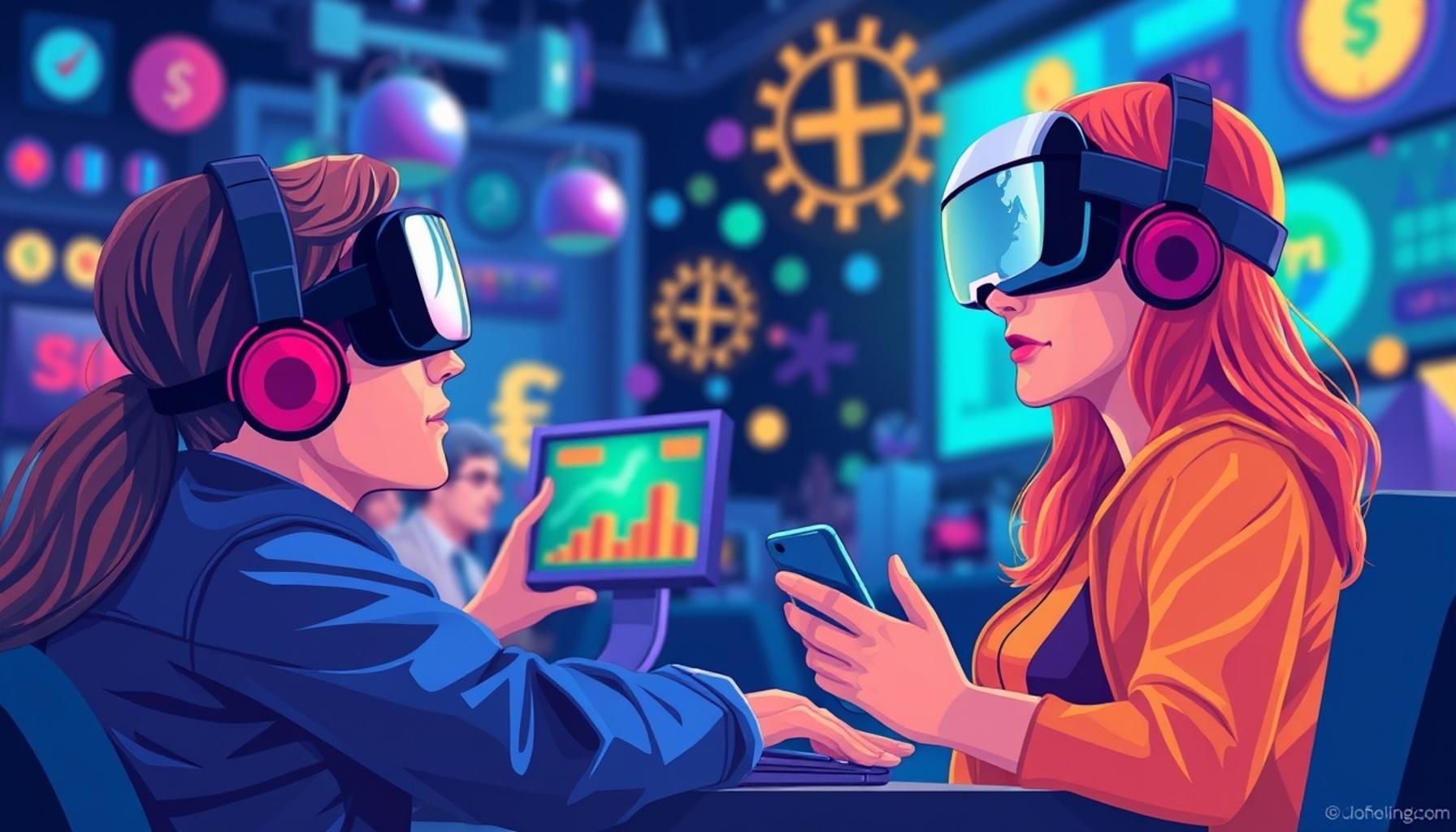
Virtual reality (VR) is rapidly transforming the landscape of cinema, offering unprecedented opportunities for storytelling and audience engagement. This innovative technology immerses viewers in a vibrant 3D world, making movies a more interactive experience than ever before. As the boundaries between viewer and story blur, VR is carving a new path in how we consume film and narrative content.
There are several key facets of VR that profoundly enrich the cinematic experience. One of the most significant aspects is interactive storytelling. In traditional cinema, audiences passively watch a story unfold. However, with VR, viewers can influence the narrative. For instance, in a VR film like “The Invisible Hours,” participants can choose which character to follow and witness events from different perspectives, creating a personalized journey through the storyline. This level of interactivity encourages deeper investment in the characters and plot.
Another compelling feature of VR in cinema is the creation of immersive environments. By using advanced technology, filmmakers craft stunningly realistic settings that envelop the viewer. Imagine standing on the surface of an alien planet or walking through the bustling streets of a futuristic city. Films like “Ready Player One” utilize this concept, showcasing how immersive visual environments can make audiences feel as if they’ve truly stepped into another world. This phenomenon not only enhances visual storytelling but also allows viewers to experience scenarios in ways that traditional films cannot offer.
Emotional engagement is another critical benefit of VR in cinema. When viewers are physically present in a scene, they establish a stronger connection to the characters and their journeys. For example, studies have shown that audiences often react more intensely to VR experiences, as the technology evokes genuine emotions. A horror VR experience might elicit fear in a way that a standard film cannot replicate, as viewers feel they are truly within the grip of the scene. This heightened emotional connection can lead to a more memorable and impactful viewing experience.
Recent developments in VR technology have made it increasingly accessible to a broader audience. Major film studios like Warner Bros and independent filmmakers alike are experimenting with this medium. They are creating a variety of VR content, from short films to series and even fully interactive experiences. The rapidly expanding possibilities lead to fresh cinematic experiences that were previously unimaginable, allowing creators to push the boundaries of narrative form.
As the industry embraces these advancements, it is vital to explore how VR is influencing consumer behavior and movie production. Audience preferences are shifting, with VR becoming a sought-after experience, particularly among younger viewers who value interactivity and immersion. Additionally, producers must adapt their creative processes to incorporate VR elements effectively, which could reshape storytelling conventions and production techniques.
Understanding this shift will provide invaluable insights into the future of entertainment. As we continue to see VR evolve, the way audiences consume media will transform, creating opportunities for innovation in how stories are told, experienced, and shared.
DIVE DEEPER: Click here to discover innovative marketing strategies
Interactive Storytelling: A New Chapter in Film
One of the most revolutionary aspects of virtual reality in cinema is the concept of interactive storytelling. Unlike traditional films where audiences passively observe a narrative, VR allows viewers to actively participate and influence the unfolding story. This shift changes not only how stories are told but also how they are experienced. In a virtual reality environment, viewers can make choices that guide the direction of the plot. For example, in the acclaimed VR narrative “The Invisible Hours,” each participant assumes the role of an invisible observer, deciding which characters to follow as they navigate intertwining storylines. This writing technique invites viewers to engage more deeply, granting them agency in the cinematic experience.
Furthermore, this level of interactivity can lead to multiple outcomes, enabling users to revisit the same experience and discover new paths and perspectives. As a result, the potential for repeated viewings takes on a whole new meaning, as viewers are compelled to explore every avenue of a story, much like playing an interactive video game. This unique approach to storytelling not only enhances the emotional connection to the narrative but also increases its replay value.
The Allure of Immersive Environments
Another significant element of the VR cinema experience is the creation of immersive environments. With cutting-edge technology, filmmakers can construct engaging, lifelike settings that draw audiences in, blurring the line between the story and reality. For instance, VR films transport viewers into fantastical worlds that would be difficult—if not impossible—to replicate in traditional cinema. Imagine walking through scenes set in post-apocalyptic landscapes or beautiful, otherworldly realms. Films such as “Ready Player One” magnificently illustrate this potential, showcasing mind-bending visual effects that captivate the viewer’s imagination.
These immersive environments contribute not only to the visual spectacle but also to the storytelling itself. The ability to explore different facets of a world enhances the overall narrative depth. Audiences can discover hidden clues or nuances simply by wandering through a setting, making them feel fully engrossed in the story at hand. This heightened sense of presence results in a richer consumption of the narrative, as the viewer’s sense of curiosity encourages active engagement.
Creating Emotional Connections
VR cinema excels at fostering emotional engagement with viewers. When individuals are placed within a scene rather than merely observing it, they can forge stronger connections with characters and narratives. Research has indicated that immersive experiences can evoke more intense feelings compared to traditional film. For instance, a horror VR experience may generate genuine fear as viewers feel physically surrounded by the action unfolding around them, surpassing the emotional impact of conventional horror films.
Moreover, the ability to observe characters’ emotions up close and personal can make tragic or heroic moments resonate more deeply. In turn, these emotional experiences can lead to greater fan loyalty and engagement, as viewers seek out similar VR offerings that promise such an impact. The result is a growing expectation for deeper narratives that challenge the conventions of storytelling.
In summary, interactive storytelling, immersive environments, and emotional connections are vital components of how virtual reality is reshaping cinematic experiences. As technology continues to advance, so too will the opportunities for creators to craft unique narratives and transformative experiences that captivate consumers in new and exciting ways.
DISCOVER MORE: Click here to find out how NFTs are changing film distribution
Personalized Experiences and Diversifying Storytelling
As virtual reality continues to evolve, one of the most promising developments is the potential for personalized experiences. Unlike traditional films, where every viewer sees the same story unfold in the same way, VR provides opportunities for customization based on individual choices and preferences. This personalization could be based on a viewer’s past interactions, preferences, or even their emotional responses during the experience. Imagine if your VR film adaptation enabled you to choose the protagonist’s path according to your tastes, leading to different encounters and conversations. These adaptive narratives can create a viewing experience that feels uniquely yours, increasing emotional investment and satisfaction.
This level of personalization could significantly alter the landscape of cinematic storytelling. For instance, platforms that incorporate user data to tailor narratives to specific demographics or interests may lead to previously unexplored storytelling themes and connections. Filmmakers can highlight diverse stories that resonate with underrepresented audiences, offering more varied and inclusive experiences that enrich the tapestry of cinematic narratives.
Enhancing Community and Social Interaction
Virtual reality not only transforms the individual viewing experience but also redefines communal interactions. Many VR systems allow for social experiences, where multiple users can engage with the same narrative simultaneously, even if they are located in different parts of the world. This shared experience fosters a sense of community among viewers, spurring discussions, and enhancing the overall enjoyment of the film. For example, platforms like “AltspaceVR” and “VRChat” host VR events where film enthusiasts can gather, watch films together, and share reactions in real time. This interactive social dynamic can mimic the experience of watching a film in a theater but with added layers of engagement and connection.
Such communal viewing experiences can lead to a richer understanding of the story’s themes and messages, as audiences collectively dissect the narrative while participating in the experience. The merging of social and cinematic experiences provides an opportunity for deeper storytelling, where viewers not only enjoy the film but become part of a larger narrative discourse. This innovative approach paves the way for future films that explore the bonds of community, friendship, and shared experiences within their narratives.
The Future of Filmmaking: Tools and Technologies
The integration of virtual reality into cinema also encourages innovation in filmmaking technologies. As filmmakers embrace VR, there is a demand for new tools and techniques tailored for creating virtual experiences. Tools like 360° cameras and sophisticated software are enabling creators to push the boundaries of traditional film production. Filmmakers are experimenting with new angles, dynamic transitions, and immersive soundscapes, which reshape how stories are captured and told. For instance, projects like “Belonging” use VR storytelling to illuminate personal experiences through creative visuals, demonstrating how technology can be harnessed to craft compelling social narratives.
Moreover, the crossover between gaming and VR filmmaking allows for the incorporation of gaming mechanics into storytelling. The marriage of these two mediums can result in groundbreaking interactive experiences that delight audiences and challenge their understanding of narrative structures. As creators continue to explore these tools, the cinematic landscape will inevitably expand, resulting in imaginative forms of storytelling that engage and excite consumers.
The convergence of personalized experiences, community interactions, and innovative technologies shapes the future of virtual reality within cinematic experiences. As creators and audiences alike embrace this evolution, the potential for new narratives expands, promising a vibrant and varied storytelling landscape for years to come.
DIVE DEEPER: Click here to learn more
Conclusion
In summary, virtual reality is poised to revolutionize the cinematic experience, ushering in a new era of storytelling that prioritizes personalization, community, and innovation. As filmmakers embrace VR technology, they are empowered to craft narratives that reflect the diverse interests and emotional journeys of their audiences. This ability to tailor experiences according to individual preferences not only enhances viewer engagement but also invites meaningful exploration of previously untold stories that resonate with a wider array of demographics.
Moreover, the social aspects of VR transcend geographical barriers, allowing friends and fellow film enthusiasts to share experiences in real time, sparking discussions that enrich the understanding of cinematic narratives. This communal approach adds depth to the storytelling, creating a shared journey that connects viewers both emotionally and intellectually.
As virtual reality technologies continue to advance, filmmakers will have access to innovative tools that will reshape how stories are told. The blending of VR with traditional filmmaking and gaming mechanics will pave the way for interactive experiences that captivate consumers’ imaginations. This evolution promises not just to change how we view films, but to fundamentally alter our relationship with storytelling itself.
The future of cinema holds endless possibilities as virtual reality leads us toward richer, more immersive experiences. As audiences embrace these changes, we can anticipate a fusion of creativity and technology that will inspire filmmakers to push the boundaries of their craft, ultimately transforming the art of storytelling for generations to come.

Linda Carter
Linda Carter is a writer and expert known for producing clear, engaging, and easy-to-understand content. With solid experience guiding people in achieving their goals, she shares valuable insights and practical guidance. Her mission is to support readers in making informed choices and achieving significant progress.