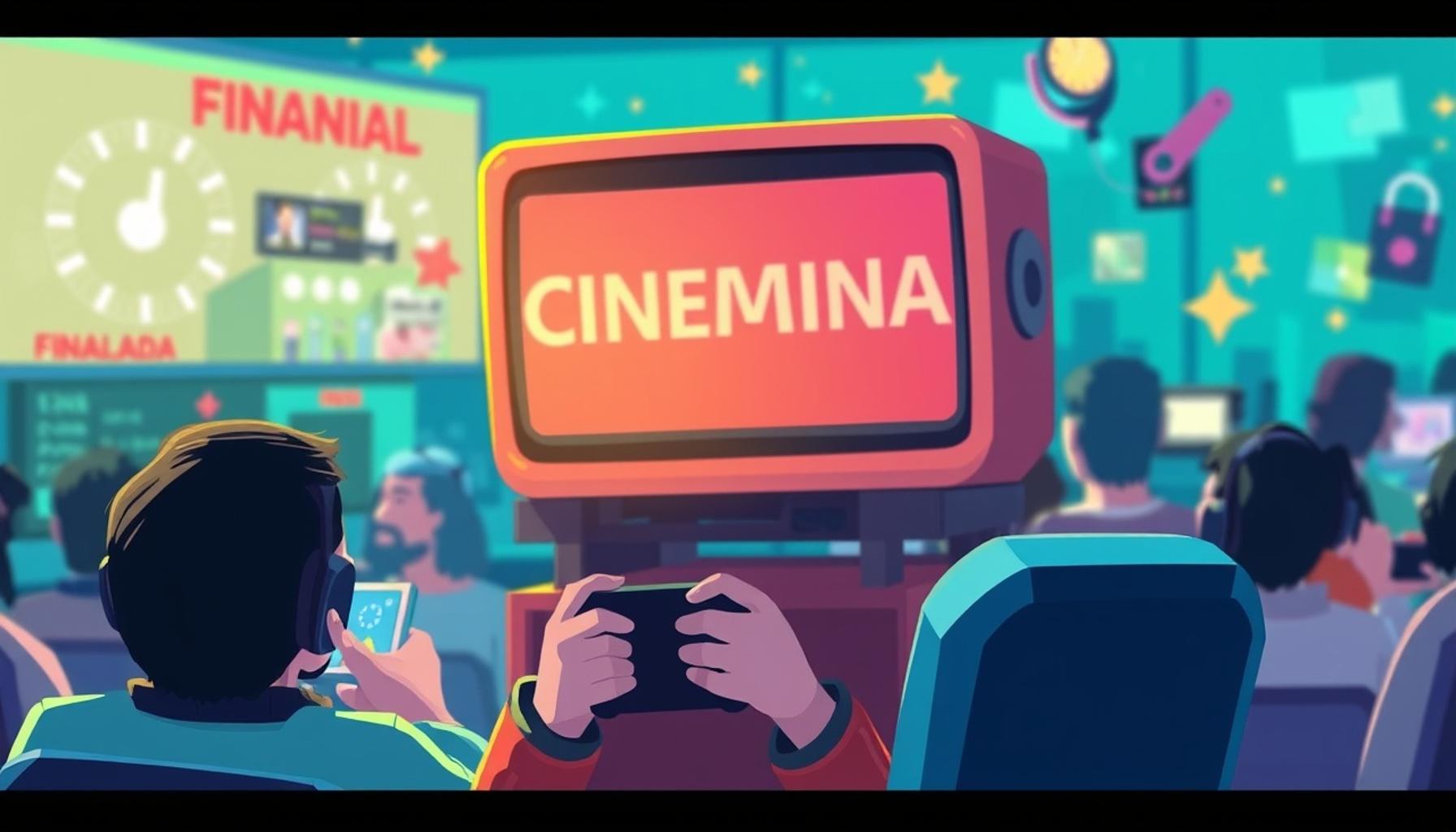
The Rise of Interactive Movies: Audience Engagement in Times of Change

Understanding Interactive Movies
The rise of interactive movies signifies a significant shift in how stories are told and experienced by audiences around the world. In a traditional film, viewers are passive spectators, observing a predetermined narrative unfold. In contrast, interactive movies transform this experience by inviting viewers to participate actively. This innovative form of storytelling empowers audiences to influence the direction of the story, creating a more personal and engaging viewing adventure.
Key Features of Interactive Movies
Several characteristics define the interactive movie genre, contributing to its growing popularity:
- Choice-driven narratives: One of the hallmark features of interactive movies is the ability for viewers to make decisions at pivotal moments. For example, in “Bandersnatch,” viewers must choose how the main character reacts to various challenges, significantly affecting the story’s trajectory. This aspect encourages participants to think critically about their choices and the potential consequences.
- Multiple endings: Interactive movies often present viewers with multiple conclusions based on the decisions they have made throughout the experience. For instance, after choosing different paths in a narrative, viewers may arrive at drastically different endings, such as a tragic finale versus a hopeful resolution. This replayability invites audiences to revisit the film and explore alternative narratives.
- Enhanced immersion: By engaging viewers in decision-making, interactive movies foster a deeper emotional connection with the characters and situations presented. This heightened sense of involvement can lead to more intense reactions, as viewers feel that their choices directly impact the unfolding drama. Such engagement can be compared to playing a role-playing video game, where players are often emotionally tied to their character’s journey.
Platforms Leading the Charge
Several platforms have ventured into the realm of interactive storytelling, each experimenting with unique formats and technologies:
- Netflix: With titles like “Black Mirror: Bandersnatch,” Netflix has popularized the interactive film experience on streaming platforms. This title broke conventional storytelling methods and attracted viewers eager to experiment with their decision-making, thus captivating a new audience segment.
- Video games: Games like “Detroit: Become Human” elevate interactive movies to new heights by merging cinematic experiences with player choices. As players navigate morally complex scenarios, their decisions shape not only the narrative but also the character’s development, emphasizing the impact of personal choices in storytelling.
- YouTube: The platform has seen creators harnessing interactive elements by allowing viewers to select paths in storylines or tutorials. Channels like “Choose Your Own Adventure” exemplify how user interaction can redefine content engagement, making each viewer’s experience uniquely tailored to their preferences.
The Future of Interactive Storytelling
As technology continues to improve and the demand for rich storytelling increases, interactive movies are poised to become integral to the entertainment landscape. They not only engage audiences on a deeper level but also encourage social interaction, as viewers share their experiences and outcomes, fostering a sense of community. This evolution represents a merging of gaming, film, and storytelling, promising exciting developments in how narratives are crafted and consumed. As we embrace this innovative format, it is clear that interactive movies will play a crucial role in the future of entertainment.
DISCOVER: Click here to dive deeper
Engaging with Interactive Movies
Interactive movies are transforming the way audiences consume entertainment by creating a new paradigm where viewers become active participants in the storytelling process. This shift has been driven by several factors, including advancements in technology, the integration of interactive elements into mainstream media, and the evolving preferences of consumers. By blending traditional cinematic techniques with interactive features, filmmakers can cater to a growing demand for personalized content that captivates and engages viewers more profoundly.
Why Audiences Are Drawn to Interactivity
Understanding the appeal of interactive movies begins with recognizing what people seek in their entertainment experiences. Several key elements contribute to the allure of interactivity:
- Personal agency: Viewers enjoy having control over the narrative, allowing them to shape the story based on their decisions. This sense of agency empowers audiences to invest emotionally in the characters and their journeys, as they feel responsible for the outcomes.
- Active participation: Unlike traditional films where viewers passively watch, interactive movies invite audiences to be active participants. This engagement can lead to increased overall enjoyment, as audiences find themselves mentally and emotionally involved in the story.
- Unique experiences: With every decision made in an interactive movie, viewers can experience a different storyline. This not only enhances replayability but also cultivates a sense of discovery, making each viewing experience unique and encouraging viewers to explore all possible paths.
Moreover, the communal aspect of interactive movies cannot be overlooked. As audiences share their experiences and choices with friends and family, they create conversations around the outcomes and characters, fostering a sense of community that enhances their enjoyment. For example, when a group of friends watches an interactive movie, they may debate the choices to make, leading to lively discussions and differing opinions about character motivations and storylines.
Case Studies in Audience Engagement
The success of interactive movies can be illustrated through various case studies that highlight how filmmakers and platforms are tapping into audience desires for engagement:
- “Bandersnatch”: This innovative offering from the “Black Mirror” series not only received critical acclaim but also became a social media sensation, as viewers shared their unique paths and endings, creating an engaging dialogue around the experience.
- “Late Shift”: This interactive thriller invites audiences to make choices in real-time as the story unfolds, blurring the lines between viewer and participant. It has successfully attracted fans of both cinema and gaming, showcasing how interactivity can appeal to diverse demographics.
- “Telling Lies”: In this interactive video game, players engage with hidden footage to uncover the truth through their decisions. Its narrative style demonstrates how storytelling can be enhanced through interactive content, elevating the traditional formats into a more immersive experience.
These examples highlight a broader trend in today’s entertainment landscape: as audiences crave new ways to engage with stories, the rise of interactive movies serves as a response to the changing demands of viewers in an increasingly digital world. Embracing this format not only enriches the storytelling experience but also ensures that filmmakers stay relevant and connected to their audience’s desires.
DIVE DEEPER: Click here to discover more insights
The Future of Interactive Storytelling
As we look ahead, the world of interactive movies is poised for even greater evolution. Various technological advancements, coupled with changes in audience behavior, are setting the stage for richer and more immersive storytelling experiences. This realm stands to benefit from innovations in virtual reality (VR), augmented reality (AR), and artificial intelligence (AI), potentially creating environments where viewers can engage in uniquely personal ways.
Emerging Technologies Shaping the Landscape
One of the driving forces behind the rise of interactive movies is the integration of virtual reality (VR). By placing viewers inside an immersive 3D environment, VR allows them to experience stories as if they were part of the narrative. This level of immersion can deepen emotional connections and provide an unparalleled experience in storytelling. Platforms like Oculus Quest are already showcasing interactive narratives that let players walk through the storyline, create their paths, and even interact with other characters in real-time.
Moreover, augmented reality (AR) is also poised to enhance interactive storytelling. With AR, the real world combines with digital elements, offering viewers a way to interact with movies using their smartphones. For instance, an interactive movie could allow users to point their devices at everyday objects and trigger parts of the story or access exclusive content. This blurring of physical and digital spaces creates a mode of engagement that feels innovative and refreshing.
AI and Personalization in Interactive Movies
Artificial intelligence plays a crucial role in advancing interactivity by enabling personalized content. As AI algorithms learn from viewers’ choices and preferences, interactive movies can adapt narratives to suit individual styles and tastes. For example, a viewer who consistently chooses certain types of characters or scenarios may find themselves presented with storylines that align with those preferences. This creates a tailored experience, ensuring that every viewer’s journey is distinct.
Furthermore, interactive movies can leverage AI to develop more complex branching narratives. Instead of a linear series of choices, filmmakers can craft multifaceted decision trees, leading to endlessly varied outcomes. This could introduce deeper character development, where audience choices affect not just the plot but also the character arcs, creating more significant emotional stakes for viewers.
The Impact of Social Media and Streaming Platforms
The rise of social media serves as a catalyst for the popularity of interactive movies. Platforms like Netflix and YouTube have made sharing experiences virtually seamless, allowing viewers to discuss their interactive choices, outcomes, and favorite plots online. This social interaction fosters community and excitement, driving further engagement as people share their unique experiences with friends and followers.
Additionally, streaming platforms are increasingly investing in interactive content. Netflix’s success with “Bandersnatch” has inspired other streaming services to explore this avenue. The growing library of interactive films and series demonstrates a shift towards viewer-centric entertainment, where audience engagement is paramount. These platforms are providing creators with the tools necessary to innovate and experiment with interactive storytelling, making it more prevalent in mainstream media.
In summary, the future of interactive movies is bright, with emerging technologies and shifting viewer expectations paving the way for innovative storytelling. As filmmakers embrace these changes and audiences continue to seek deeper engagement, interactive movies are bound to hold an increasingly prominent position in the ever-evolving entertainment landscape.
DISCOVER MORE: Click here to delve into innovative marketing strategies
Conclusion: Embracing New Frontiers in Entertainment
In conclusion, the rise of interactive movies marks a significant shift in how audiences engage with storytelling. As we have explored, the combination of emerging technologies like virtual reality, augmented reality, and artificial intelligence not only enhances the viewer experience but also empowers individuals to take an active role in shaping the narrative. This evolution reflects a broader cultural trend towards personalization and interactivity in entertainment.
The integration of social media platforms has further amplified this trend, fostering communities where viewers can share their unique experiences and choices, thereby deepening their connection to the material. Streaming services have recognized this shift, continually investing in interactive content to meet the growing demand for viewer-centric entertainment. The success of projects like “Bandersnatch” has proven that there is a substantial appetite for narratives that respond to our choices and preferences.
As we move forward, filmmakers and creators have the exciting opportunity to experiment with storytelling in ways that were previously unimaginable. The challenge will be to balance rich narratives with engagement, ensuring that every interactive experience resonates emotionally with viewers. Ultimately, the future of interactive movies promises not just entertainment but also a chance to connect with stories in much more profound and meaningful ways.
The interactive film format is not merely an addition to traditional storytelling; it is a revolutionary approach that invites us to become participants in the narrative. As we embrace these new frontiers, we unlock the potential to transform how we not only consume stories but also connect with each other in the shared experience of storytelling.

Linda Carter
Linda Carter is a writer and expert known for producing clear, engaging, and easy-to-understand content. With solid experience guiding people in achieving their goals, she shares valuable insights and practical guidance. Her mission is to support readers in making informed choices and achieving significant progress.