The Impact of Artificial Intelligence on Film Scheduling and Production
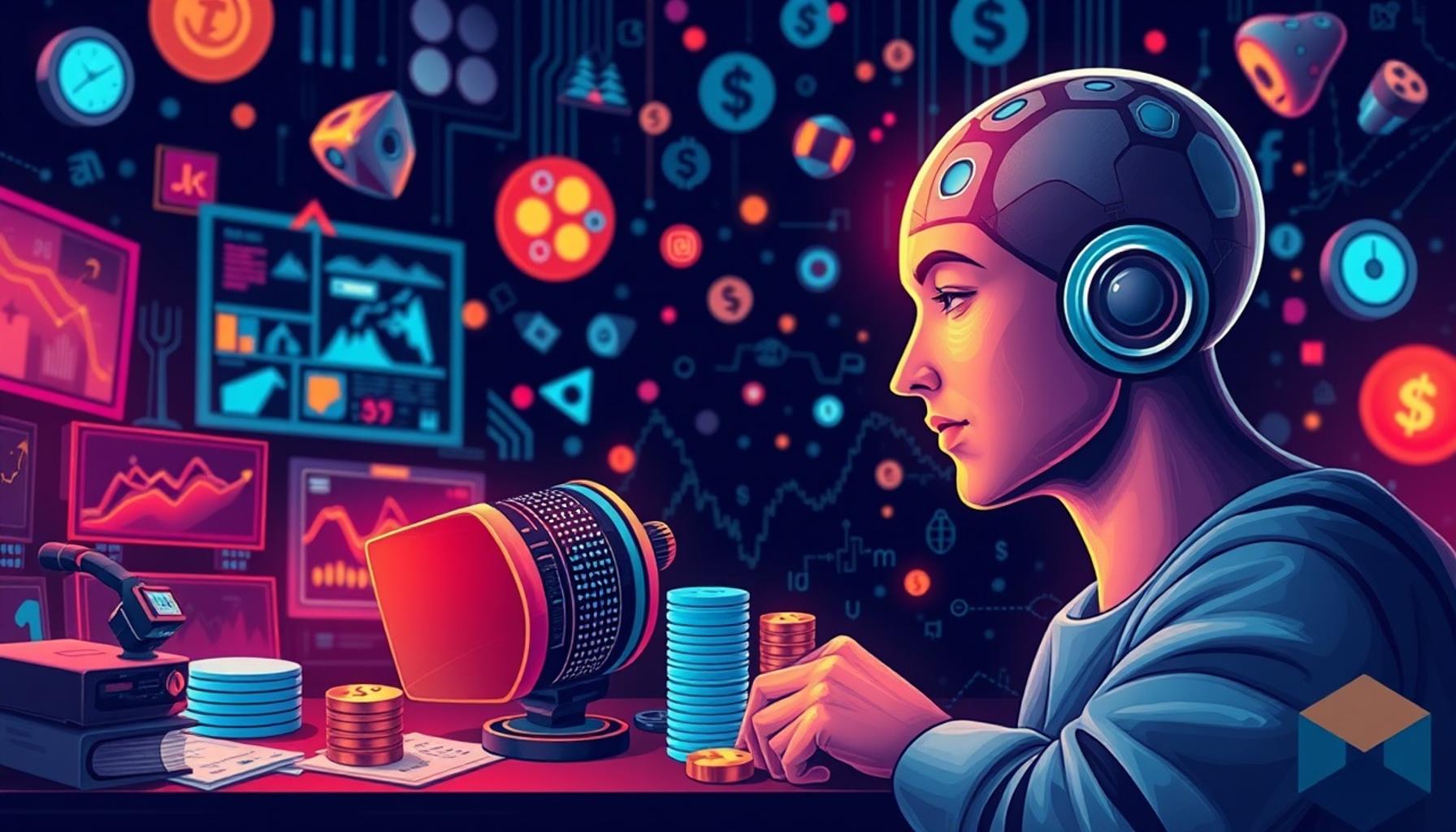
Transformative Effects of Artificial Intelligence in Film Production
The integration of artificial intelligence (AI) into the film industry is not just a passing trend; it is a significant evolution that touches every facet of filmmaking. As filmmakers navigate the ever-changing landscape of production, understanding the profound effects of AI becomes increasingly important. By leveraging AI technologies, industry professionals can optimize their workflows and open new avenues for creative expression.
Enhancements in Production Processes
One of the most notable impacts of AI is its ability to facilitate predictive analytics. By examining historical data from previous box office performances, AI algorithms can accurately forecast a film’s potential financial success. For instance, using data from similar genres, star power, and production budgets, producers can make informed decisions on whether to greenlight a project or adjust their marketing strategies to maximize box office returns.
Another significant advantage is scheduling optimization. AI-equipped software can evaluate numerous factors such as cast availability, weather conditions, and location logistics to craft a shooting schedule that minimizes downtime. This optimization is crucial in the fast-paced environment of film production, where every delay can inflate costs and lead to reduced overall quality.
Likewise, the management of resources is streamlined with the help of AI tools. These technologies can assist producers in tracking budgets and forecasting expenses, ensuring that projects remain financially viable. For example, AI can provide insights into potential overruns based on real-time spending data, allowing for quicker adjustments to avoid budget blowouts.
Facilitating Collaboration and Creativity
AI also enhances collaboration among different teams involved in film production. With real-time communication tools, filmmakers can quickly share updates and adjustments, regardless of their physical location. This immediacy can be particularly beneficial for large productions with teams spread across various time zones, enabling seamless coordination.
In terms of talent management, smart casting powered by AI analyzes past performances and box office data to suggest actors who might be perfect for specific roles. By evaluating elements like audience reception to similar performances, these systems help casting directors make more informed choices, which can lead to a more relatable and successful film.
Furthermore, the world of visual effects is being transformed by AI through visual effects automation. AI technologies can create stunningly realistic graphics with less manual input, significantly shortening the post-production phase. For example, AI can automate the creation of CGI backgrounds or even assist in retouching actor performances, thus reducing workloads for visual effects teams.
Looking Ahead
As AI technology continues to advance, it is poised to have an even deeper influence on the film industry, paving the way for innovative storytelling and more efficient production methods. For filmmakers, adapting to these innovations will be vital in maintaining relevance and competitive edge in a crowded market. By embracing the potential of AI, creators can unlock new dimensions of storytelling, ultimately reshaping how audiences experience films.
DIVE DEEPER: Click here to discover more
Revolutionizing Film Scheduling and Resource Management
The film industry’s complex scheduling often resembles a high-stakes puzzle, where every piece must fit perfectly to achieve a successful production. Here, artificial intelligence (AI) is revolutionizing the way films are scheduled and resources are managed, bringing unprecedented efficiency to an industry notorious for its operational challenges. By utilizing advanced AI algorithms, filmmakers can now streamline various aspects of the production process, resulting in significant time and cost savings.
Optimizing the Scheduling Workflow
AI’s potential in scheduling optimization is transformative. Traditionally, scheduling in film involved navigating a labyrinth of cast and crew availabilities, location constraints, and unforeseen event factors, which demanded hours of manual planning. Today, AI can analyze these variables in real-time to generate an optimized shooting schedule. This capability not only reduces the time spent on planning but also allows for adjustments based on daily developments, significantly mitigating the risk of production delays.
For example, consider a film set where two lead actors become unexpectedly unavailable due to scheduling conflicts. An AI scheduling tool can rapidly assess the situation, taking into account alternative cast members and potential changes to shooting locations, thereby allowing production teams to adapt with pragmatism and agility. The result is minimal disruption to production timelines and overall budget.
Improved Resource Allocation
Effective management of resources is crucial to keep production within budget, and here, AI tools offer immense benefits. With features for budget tracking and expense forecasting, AI technologies can automatically align financial resources with current project needs. For instance, AI can analyze past projects’ spending patterns and offer predictions on future expenditures, alerting producers to potential cost overruns before they occur.
- Real-Time Budget Monitoring: AI systems can continuously track expenses against a pre-established budget, responding to deviations with actionable insights.
- Resource Efficiency: By assessing historical data and current usage trends, AI can suggest reallocating resources for maximum efficiency, which can be critical in a dynamic film environment.
- Supplier Management: AI can also analyze vendor performance and competitiveness, helping producers select the best suppliers for their production needs while negotiating contracts more effectively.
Moreover, AI applications extend beyond scheduling and budgeting. For instance, automating repetitive administrative tasks can free up creative professionals to focus on the artistic aspects of filmmaking. This kind of support allows directors and producers to concentrate on storytelling and innovation rather than getting bogged down with logistics.
Paving the Way for Future Innovations
The integration of AI into film scheduling and production is merely the tip of the iceberg. As this technology continues to evolve, its capacity to transform the filmmaking process will expand, leading to innovations that can redefine how films are created and produced. Embracing these advances will undoubtedly be essential for filmmakers looking to bring their visions to life in an efficient and cost-effective manner.
DIVE DEEPER: Click here to discover innovative practices in sustainable cinema
Enhancing Creative Decision-Making
While the operational efficiencies provided by AI are significant, perhaps even more transformative is its ability to enhance creative decision-making throughout the filmmaking process. AI technologies are increasingly being used to analyze audience preferences and predict trends, enabling creatives to make informed decisions that resonate with viewers. This shift not only supports the creative vision but also aligns it with commercial viability.
Audience Insights through Data Analytics
Understandably, filmmakers want their content to connect with audiences. AI can process massive amounts of data derived from social media interactions, streaming platforms, and box office performances to unveil insights about viewer preferences. By leveraging these insights, filmmakers can make informed choices regarding narrative styles, casting decisions, and marketing strategies.
For instance, AI systems can analyze viewer reactions to similar genres or themes, identifying which elements sparked interest or engagement. If analysis shows that audiences prefer strong female leads in action films, producers can capitalize on that data by tailoring their scripts or marketing strategies accordingly. This not only equips filmmakers with relevant information but also fosters a deeper understanding of the target audience, ultimately enhancing viewer engagement.
AI in Script Development
Beyond merely interpreting preferences, AI can also play a role in the very early stages of film development, particularly in script analysis. Advanced AI tools can evaluate early drafts of scripts to predict their potential success. By utilizing natural language processing and sentiment analysis, AI can point out areas of improvement, highlight weak dialogue, or even identify pacing issues.
- Enhanced Storytelling: AI can analyze successful films to glean common storytelling elements, allowing writers to craft compelling narratives that maintain audience interest.
- Character Development: By assessing character arcs against audience expectations, AI can offer suggestions on how to create multifaceted characters that resonate more deeply.
- Real-time Feedback: AI-powered applications are capable of providing instantaneous feedback on script iterations, helping writers refine their projects efficiently.
Visual Effects and Production Design
In addition to its impact on scheduling and scripts, AI is drastically improving visual effects (VFX) and production design. From pre-visualization to final edits, AI can streamline the technical processes involved in creating stunning visuals. The integration of AI tools enables VFX teams to simulate complex scenes rapidly, reducing the time it takes to achieve the desired outcome.
For example, AI can predict how lighting will change in a scene based on weather conditions, ensuring that all elements match seamlessly. Additionally, machine learning algorithms can refine VFX processes, allowing for faster rendering times and reducing the labor costs associated with complex visual effects.
Furthermore, AI is impacting location scouting and set design. Advanced image recognition technology can analyze thousands of images to suggest locations that match a director’s vision, while generative design algorithms can help create and visualize set layouts that would be either too time-consuming or cost-prohibitive to develop manually.
Overall, the integration of AI into various facets of filmmaking—be it scheduling, budgeting, or the creative process—is empowering filmmakers to create more effectively and creatively, leading towards a more innovative and adaptable industry. As filmmakers embrace these tools, the possibilities for storytelling and production are expanded, setting the stage for a new era in cinema.
DISCOVER MORE: Click here to dive deeper
Conclusion
The incorporation of Artificial Intelligence in film scheduling and production is reshaping the landscape of the entertainment industry in significant ways. As we’ve explored, AI technologies are not just streamlining logistical aspects such as scheduling and budgeting; they are also enhancing the entire creative workflow. By providing in-depth analysis of audience preferences and facilitating data-driven decision-making, filmmakers can create content that is not only artistically compelling but also commercially viable.
Moreover, AI’s involvement in script development and visual effects is pushing the boundaries of what can be achieved in filmmaking. With real-time feedback and predictive analysis, writers can refine their narratives more effectively, ensuring they resonate with modern audiences. Tools that optimize visual effects and streamline production processes are not just saving time and costs; they are empowering creative teams to realize ambitious visions that were once considered unattainable.
As we look to the future, the role of AI in cinema will likely expand, offering even more innovative ways to enhance the storytelling experience. Filmmakers who adapt to these technologies will find themselves at the forefront of a new era, where creativity meets technology seamlessly. In embracing these advancements, the film industry can lead the way in producing rich, engaging stories that captivate audiences worldwide, ultimately transforming the way we perceive and consume cinema.

Linda Carter
Linda Carter is a writer and expert known for producing clear, engaging, and easy-to-understand content. With solid experience guiding people in achieving their goals, she shares valuable insights and practical guidance. Her mission is to support readers in making informed choices and achieving significant progress.