Sustainable Innovation: The Role of Green Technology in Industry Transformation
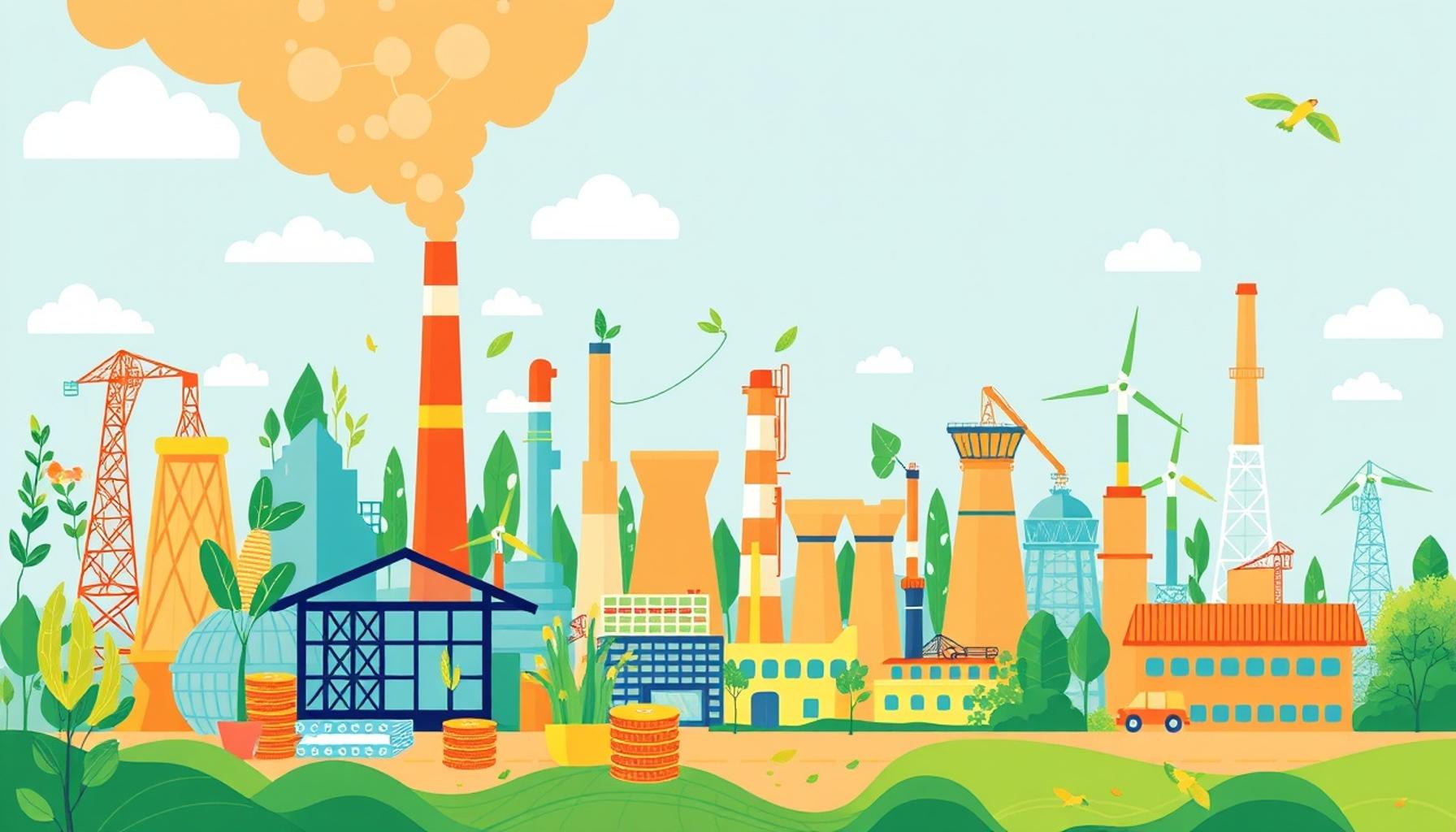
Understanding the Shift towards Sustainable Practices
In recent years, the imperative for sustainable practices within various industries has gained unprecedented traction. This shift is a direct response to a growing awareness of environmental challenges and the finite nature of global resources. Companies are realizing that incorporating green technology is not merely a contemporary fad, but a vital strategy for ensuring long-term viability and competitive advantage.
Several key factors are driving this transformation. First and foremost, there is an increasing sense of environmental responsibility. In a world grappling with climate change, deforestation, and biodiversity loss, businesses are under significant pressure from governments, non-profit organizations, and the public to minimize their carbon footprints. This demand often translates into regulatory requirements aimed at reducing greenhouse gas emissions, which is pushing companies to innovate.
Moreover, cost efficiency is a major motivation behind adopting sustainable practices. While the initial investment in green technology may seem daunting, many companies find that these solutions yield substantial savings in the long run. For instance, switching to LED lighting or high-efficiency HVAC systems can dramatically reduce energy bills, providing a quick return on investment and supporting overall budget management.
Additionally, there is a notable consumer demand for sustainability. A growing segment of today’s consumers, particularly millennials and Gen Z, actively seeks out brands that demonstrate a commitment to environmental stewardship. Companies like Patagonia and Tesla have thrived by aligning their brand values with sustainable practices, demonstrating that environmental commitment can enhance customer loyalty and open new market opportunities.
Examples of Green Technology in Action
Green technology manifests in a variety of innovative solutions across different sectors. For example, smart grid technology represents a major leap forward in energy distribution. By utilizing digital technology to manage electricity demand and optimize supply, smart grids help to reduce energy waste and integrate renewable energy sources more effectively.
Similarly, the rise of electric vehicles (EVs) has paved the way for a significant reduction in dependence on fossil fuels. Brands like Tesla have pioneered this market, showcasing the potential for EVs to not only lower emissions but also provide a higher performance driving experience. In addition, the increasing availability of charging stations is making these vehicles more accessible to everyday consumers.
In the realm of manufacturing, sustainable practices have evolved significantly. Companies are increasingly adopting sustainable materials and processes that minimize waste and pollution. For instance, manufacturers are now using recycled materials in their products and adopting circular economy principles. This not only enhances their sustainability credentials but can also lead to operational efficiencies.
In summary, the integration of green technologies is more than just an environmental necessity; it has become a critical component for businesses aiming for future growth and prosperity. By embracing these sustainable practices, companies not only contribute to a healthier planet but also position themselves favorably within a changing marketplace. Understanding and implementing these concepts can lead to a more sustainable and profitable future for all stakeholders involved.
DIVE DEEPER: Click here to discover the influence of social media on buying habits
Exploring the Mechanisms of Green Technology
The implementation of green technology in various industrial sectors serves as a critical instrument for fostering sustainability. By innovating and utilizing technologies that reduce environmental impact, companies are not only addressing regulatory requirements but are also enhancing their operational efficiency and brand reputation. Understanding how these technologies function can provide insight into their transformative potential.
One of the fundamental aspects of green technology is its focus on utilizing renewable energy sources. Traditionally, industries have relied heavily on fossil fuels, which contribute significantly to greenhouse gas emissions. In contrast, renewable energy technologies like solar panels, wind turbines, and hydroelectric systems harness natural resources that are abundant and sustainable. As a result, companies that invest in these technologies can significantly reduce their reliance on fossil fuels, leading to cleaner production processes.
Another key element of green technology is the concept of energy efficiency. This involves designing processes and systems that require less energy input for the same output. For example, advancements in industrial automation have led to smarter manufacturing solutions. These systems optimize energy use through real-time monitoring and adjusting processes, thereby minimizing waste. A study by the U.S. Department of Energy found that increased energy efficiency could cut industrial energy consumption by up to 20% by 2030, which represents a sizable savings opportunity for manufacturers.
In addition to energy efficiency, data analytics plays a significant role in promoting sustainable innovation. By utilizing big data, industries can gain insights into their operational patterns and identify areas where waste can be minimized and efficiency can be improved. For instance, predictive maintenance uses data analytics to forecast when equipment is likely to fail, allowing companies to conduct maintenance before issues arise. This not only prolongs the life of machinery but also decreases unnecessary downtime and resource consumption.
The implementation of sustainable supply chains is another critical area where green technology can make a difference. Companies are exploring ways to make their supply chains more sustainable by collaborating with eco-friendly suppliers and employing practices such as life cycle assessments to determine the environmental impact of their products from production to disposal. By understanding the entire life cycle of a product, businesses can make better decisions about materials and processes, leading to reduced environmental effects.
As industries continue to evolve, they are gradually embracing these transformative technologies. Here are some common benefits of adopting green technology in various sectors:
- Cost Savings: Reduced energy consumption and waste lead to lower operational costs.
- Enhanced Brand Loyalty: Customers prefer brands that prioritize sustainability, leading to increased sales.
- Regulatory Compliance: Adopting eco-friendly practices helps meet government regulations and avoid penalties.
- Innovation Opportunities: New technologies create the potential for developing innovative products and services.
In conclusion, green technology holds the key to not only easing environmental impacts but also catalyzing operational improvements and new business opportunities. As industries pivot toward more sustainable models, clear strategies regarding the adoption of these technologies will be paramount for success.
DIVE DEEPER: Click here to discover how to earn free clothes on Shein
Green Technology in Practice: Real-World Applications
As businesses actively seek to implement green technology, several notable examples showcase the diverse applications of sustainable innovations across various industries. Taking inspiration from these real-world applications can offer valuable insights into the practical benefits and transformative power of green technology.
In the manufacturing sector, companies like Siemens have embraced industrial automation and energy management systems to streamline operations while minimizing environmental impacts. By integrating IoT (Internet of Things) technology, Siemens is capable of monitoring energy consumption in real-time and adjusting processes accordingly. This proactive approach reduces energy waste and enhances overall productivity, demonstrating how advanced technology can translate into both economic and ecological benefits.
The transportation industry is another area where green technology is making significant strides. The rise of electric vehicles (EVs), spearheaded by companies like Tesla, illustrates a shift from traditional gasoline-powered cars to cleaner alternatives. EVs produce zero tailpipe emissions, helping to improve urban air quality and reduce the dependence on oil. Furthermore, the expansion of charging infrastructure bolsters not only EV adoption but also the development of renewable energy sources to power these stations, creating a win-win scenario for sustainability.
In the agricultural sector, the integration of precision farming technologies showcases green innovation’s positive environmental impact. Companies are utilizing drones, sensors, and data analytics to monitor crop yields and soil health. For instance, the use of drip irrigation systems ensures that only the necessary amount of water is used, significantly reducing water waste while enhancing crop productivity. This approach contributes to the efficient use of resources and helps maintain biodiversity in agricultural ecosystems.
Beyond Compliance: The Strategic Importance of Sustainability
Adopting green technology transcends mere compliance with environmental regulations; it is increasingly viewed as a strategic maneuver to gain competitive advantages. Companies such as Unilever have publicly committed to sustainability goals, including becoming carbon positive by 2030 and ensuring all of their packaging is recyclable, reusable, or compostable. Such commitments not only appeal to eco-conscious consumers but often set a higher standard for industry peers, pushing entire sectors to innovate.
Investors too are placing great emphasis on sustainability, with the rise of ESG (Environmental, Social, and Governance) investing shaping the future of corporate financing. Firms that excel in implementing green technologies and sustainable practices are more likely to attract investment, as sustainability becomes a key criterion for assessing long-term profitability and risk. This trend underscores the fact that sustainable innovation is no longer a niche aspect of business; it is a cornerstone of contemporary corporate strategy.
The rise of the circular economy further illustrates the overarching impact of green technology. Innovations such as product life extension, recycling, and remanufacturing are gaining traction, allowing companies to reduce waste and make the most out of their resources. Patagonia, an outdoor apparel company, has adopted a model promoting repair and recycling, which not only appeals to eco-conscious consumers but also contributes to reducing the overall environmental footprint of the fashion industry.
As these examples demonstrate, the integration of green technology provides tangible benefits across multiple industries. By embracing sustainable innovation, companies can significantly enhance their operations while paving the way for a more environmentally conscious future.
DIVE DEEPER: Click here to learn more
Conclusion
In conclusion, the impact of green technology on industry transformation is profound and far-reaching. As demonstrated through various applications across sectors like manufacturing, transportation, and agriculture, sustainable innovation not only enhances operational efficiency but also addresses urgent environmental concerns. Companies that embrace green technologies are not merely complying with regulations; they are seizing the opportunity to reshape their business models, attract investment, and appeal to eco-conscious consumers.
The commitment to sustainability extends beyond individual enterprises; it fosters a collective movement towards a circular economy, where resources are reused and waste is minimized. As organizations like Patagonia exemplify, promoting repair and recycling can create a competitive edge while significantly decreasing environmental footprints. Similarly, the rise of electric vehicles, spearheaded by innovators like Tesla, demonstrates that cleaner alternatives are not just viable but essential for future economic growth.
As we look to the future, businesses must continue to prioritize sustainable practices not just as a trend but as an integral component of their strategy. The investment in ESG principles will likely become a determining factor for both consumer loyalty and investment opportunities. Ultimately, investing in green technology will pave the way for a more sustainable and resilient global economy, ensuring a healthier planet for generations to come. By championing sustainable innovation, industries can transform challenges into opportunities, aligning profitability with purpose.

Linda Carter
Linda Carter is a writer and expert known for producing clear, engaging, and easy-to-understand content. With solid experience guiding people in achieving their goals, she shares valuable insights and practical guidance. Her mission is to support readers in making informed choices and achieving significant progress.