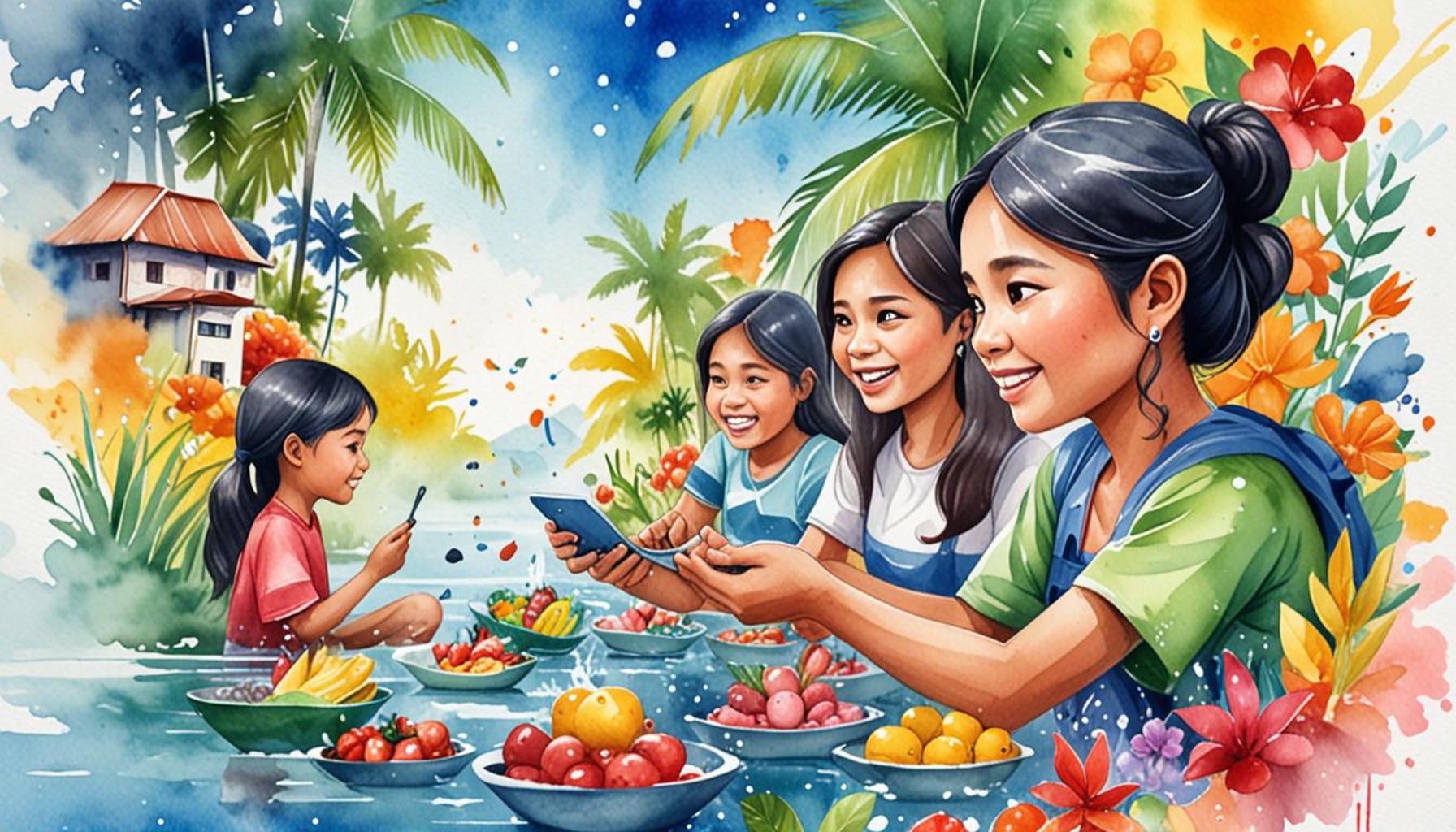
The evolution of content marketing on social media in the Philippines
Transformative Trends in Filipino Content Marketing
The dynamics of content marketing on social media in the Philippines have shifted dramatically, marking a revolutionary phase that brands are navigating. With the country’s internet penetration rate soaring—currently exceeding 73% of the population—it’s imperative for businesses to adapt to an audience that is not just numerous but also highly engaged. The following sections detail these transformative trends and their implications for brands seeking to captivate Filipino consumers.
Rise of Mobile Connectivity
In the Philippines, the surge of mobile connectivity cannot be overstated. Over 76 million individuals use social media platforms, with a majority accessing them via smartphones. This trend has not only made mobile devices the primary medium for content consumption but also influenced how brands tailor their messaging. For instance, brands like Jollibee have successfully utilized mobile-first strategies, launching campaigns designed specifically for social media consumption that resonate with younger audiences. The focus on mobile optimization—ensuring that content is easily viewable and interactive on smaller screens—has become a fundamental necessity for marketers.
Influencer Culture
The emergence of local influencers has dramatically reshaped the marketing landscape. With relatable storytelling at the forefront, influencers can drive trends and influence consumer decisions with remarkable effectiveness. For example, individuals such as Wil Dasovich and Aya Approved have amassed large followings, and their endorsements of products can inspire significant consumer trust. Brands are leveraging these influencers not only to promote products but also to build a narrative that aligns with the values and preferences of the Filipino audience. The symbiotic relationship between influencers and brands fosters a community feel, making products more approachable.
Video Content Dominance
As social media platforms evolve, video content has emerged as a dominant form of communication. Platforms like Facebook and TikTok have embraced this trend, influencing how brands convey their messages. Engaging video content—be it short clips or live streams—allows companies to showcase their products dynamically. For instance, brands like Globe Telecom have produced highly engaging video campaigns that make service offerings feel relatable and entertaining. As a result, video has become an indispensable part of content marketing strategies in the Philippines.
Cultural Relevance and Authenticity
The Filipino audience’s cultural uniqueness greatly affects content strategies. Concepts such as Bayanihan, which emphasizes community spirit, inspire brands to create content that fosters connections among users. Campaigns that resonate with the local dialects, humor, and traditional values often yield more engagement and loyalty. For example, a campaign that creatively incorporates Tagalog phrases or narratives reflecting local life can evoke a stronger emotional response from audiences.
Moreover, the demand for brand authenticity has increased as consumers are more skeptical than ever. They seek transparency and genuine connections rather than mere transactions. Brands that embody these values through their messages and practices will likely engender deeper trust and loyalty. For example, local brands that support social causes or engage in environmentally sustainable practices often find favor with consumers who prioritize social responsibility, further embodying the transformational essence of this landscape.
In conclusion, the evolution of content marketing in the Philippines is a cultural odyssey shaped by technological advancements and changing consumer expectations. With an ever-growing audience and a rich cultural tapestry to draw from, brands must continue to innovate and adapt their strategies, ensuring relevance and resonance in an increasingly competitive marketplace.
LEARN MORE: This related article may interest you
Innovation and Engagement: The Driving Forces of Content Marketing
The landscape of content marketing on social media in the Philippines is increasingly intricate, shaped by technological strides and shifting consumer behavior. As brands refine their strategies amid these changes, several factors have emerged as pivotal in determining success. Businesses that navigate these trends effectively stand to gain a robust foothold in a market rich with potential.
The Power of User-Generated Content
User-generated content (UGC) has revolutionized the way brands engage with Filipino audiences. Consumers, particularly millennials and Gen Z, are drawn to authentic interactions and real experiences shared by their peers. Consequently, companies are incentivizing users to create content that showcases their products, weaving it into their overall marketing strategies. For instance, the popular clothing brand Bench launched campaigns that encourage customers to share photos wearing their products with specific hashtags. This not only drives engagement but also provides social proof—serving as a powerful form of advertisement that traditional media simply cannot replicate.
Localized Content Strategies
In a country as diverse as the Philippines, localization of content plays a crucial role in marketing strategies. Brands are increasingly aware that a “one-size-fits-all” approach seldom resonates with the different regional audiences across the archipelago. Crafting content that speaks directly to various local cultures, traditions, and dialects can significantly enhance audience connection. For example, the marketing campaigns of San Miguel Corporation often utilize localized humor and cultural references, appealing to distinct demographic segments. Developing targeted messaging that reflects local tastes can foster genuine relationships between brands and consumers.
Interactive and Engaging Formats
Engagement is no longer limited to likes and shares; the growth of interactive content marks a new era in content marketing. Businesses are leveraging polls, quizzes, and live Q&A sessions to foster deeper interactions with their audience. Platforms like Instagram Stories and Facebook Live are particularly timely in this strategy, as they provide avenues for real-time interaction. Companies such as PLDT take it a step further by hosting live tutorials that showcase their services while simultaneously addressing consumer inquiries—effectively building community and loyalty.
Trends Shaping the Future of Content Marketing
As brands strategize for the future, several upcoming trends in content marketing on social media in the Philippines warrant attention:
- Augmented Reality (AR): Brands may begin utilizing AR features for immersive experiences that allow customers to interact with products in a virtual space.
- Personalized Content: Data-driven insights will pave the way for highly tailored content that addresses individual consumer preferences.
- Social Commerce: The fusion of social media and e-commerce is set to offer seamless shopping experiences directly within social platforms.
- Sustainability Messaging: As consumers become more environmentally conscious, brands that highlight eco-friendly practices are likely to gain favor.
The evolution of content marketing in the Philippines reflects an adaptable response to the fast-paced digital landscape. Brands that embrace innovative practices and remain responsive to audience expectations can cultivate enduring relationships, thus ensuring a competitive edge in a vibrant marketplace.
The Evolution of Content Marketing on Social Media in the Philippines
In recent years, the landscape of content marketing in the Philippines has undergone a significant transformation driven by rapid digital growth and the prolific use of social media platforms. From traditional strategies to more innovative approaches, brands have learned to leverage the power of online engagement, leading to enhanced consumer interaction and brand loyalty.One of the main factors fueling this evolution is the increasing accessibility of the internet. According to the Global Digital Report 2022, the Philippines has one of the highest social media usage rates in the world, with around 76 million users actively engaging on platforms such as Facebook, Instagram, and Twitter. This data has compelled companies to adapt their marketing strategies to reach and resonate with a broader audience.Moreover, the rise of video content has significantly reshaped content marketing efforts. Platforms like TikTok and YouTube have promoted a new wave of creativity, allowing brands to create engaging video campaigns that cater to the followers’ preferences. Short-form content, generally favored by younger demographics, has become a prime medium for storytelling and brand promotion. This shift emphasizes the importance of understanding audience preferences and staying ahead of emerging trends to foster connection and engagement.Additionally, the evolution of influencer marketing in the Philippines has emerged as a significant trend within the content marketing space. Brands are now collaborating with social media influencers and content creators who command a loyal following, thus leveraging their clout to enhance brand visibility. This form of marketing not only builds trust but also effectively communicates brand values to a target audience.To illustrate the advantages offered through innovative strategies adopted in content marketing, take a look at this informative table:
| Category | Advantages |
|---|---|
| Audience Engagement | Interactive content allows brands to connect directly with consumers, fostering community and dialogue. |
| Cost-Effectiveness | Social media platforms offer affordable advertising solutions that provide substantial reach and targeted outreach. |
As the content marketing landscape continues to evolve, companies must stay agile and willing to experiment with new strategies that drive engagement and foster relationships. The creative possibilities are endless, highlighting the necessity for marketers to remain informed and adaptable in this ever-changing digital environment. The future of content marketing in the Philippines seems bright, filled with opportunities for brands willing to take the plunge into this dynamic ecosystem.
SEE ALSO: Click here to read another article
Micro-Influencers and Their Impact
The rise of the micro-influencer phenomenon has also reshaped content marketing in the Philippines. Unlike traditional influencers with massive followings, micro-influencers possess a smaller, but highly engaged audience often comprised of friends, family, and loyal customers. This intimacy can yield trust and credibility, which are essential in marketing. Brands like Jollibee have capitalized on this by collaborating with micro-influencers who can relate to their community on a personal level, sharing experiences and recommendations that resonate more deeply than broader marketing campaigns. As a result, campaigns like “Jolly Crispy Chicken” experienced significant buzz and community shareability, further bolstered by cost-effective influencer partnerships.
The Role of Video Content
With the surge in mobile consumption, video content has become indispensable in social media marketing strategies across the Philippines. Leveraging platforms such as Facebook and YouTube, brands are moving towards dynamic storytelling through videos that hold viewers’ attention longer than static posts. An excellent example is Pandora Philippines, which frequently shares emotionally driven short films on their social media accounts that depict heartfelt stories, ultimately connecting with their audience more effectively than mere product displays. Furthermore, the pervasive influence of TikTok has prompted companies to create short, catchy video content to capture attention quickly and promote their offerings. Engaging video formats encourage shares, enriching organic reach.
Data Analytics: The Key to Success
As content marketing on social media evolves, the need for data-driven decisions has become increasingly pivotal. Filipino businesses are harnessing the power of analytics tools to glean crucial insights into consumer behavior and preferences. Understanding what resonates with their audience facilitates the optimization of their content strategies. For instance, brands such as Globe Telecom employ insights derived from people’s online habits to tailor their social media distance advertisements, ensuring that the right audience sees the right message. With platforms like Facebook Insights and Google Analytics, businesses can evaluate engagement rates, content performance, and audience demographics, leading to informed and strategic content creation.
Building Community Through Content
Brands are increasingly recognizing the importance of building a community around their content. Rather than simply promoting products, they aim to create spaces where audiences can connect, share experiences, and discuss trends. For example, the Filipino beauty brand Happy Skin actively engages with its followers by establishing a community-driven approach on social media platforms. By inviting customers to share their stories and even co-create product lines, Happy Skin not only strengthens customer loyalty but also amplifies their reach through word-of-mouth marketing. Such strategies foster a sense of belonging, further motivating consumers to champion the brand, making them feel like stakeholders rather than merely customers.
Challenges and Opportunities Ahead
Despite these advancements, challenges remain for businesses in the realm of content marketing. Issues like content saturation in a crowded market, evolving algorithms, and changing consumer expectations can create hurdles. Nevertheless, these challenges present opportunities for innovative marketers to experiment with new formats and strategies. With the digital landscape continuously evolving, Filipino brands that remain agile and proactive in embracing these changes will not only adapt but potentially thrive within the competitive arena of content marketing on social media.
LEARN MORE: This related article may interest you
Conclusion: The Future of Content Marketing on Social Media
The evolution of content marketing on social media in the Philippines is nothing short of remarkable. As we have explored, the advent of micro-influencers, the increased reliance on video content, and the integration of data analytics have all reshaped how brands communicate with consumers. These strategies reflect an understanding that today’s audience seeks not just information, but connection and authenticity. Furthermore, the trends toward community engagement demonstrate a shift where brands are no longer merely sellers but also facilitators of conversations and shared experiences.
Looking ahead, challenges such as content saturation and shifting consumer preferences will persist. However, these obstacles can also serve as opportunities for innovation. Brands that capitalize on creativity, remain responsive to analytics, and nurture community relationships will not only navigate these challenges but also set themselves apart in a crowded marketplace. As Filipino consumers continue to embrace digital platforms and evolve their expectations, marketers must stay adaptable and open to exploring new frontiers, be it through emerging platforms or innovative content formats.
In conclusion, the trajectory of content marketing in the Philippines underscores a transformative phase, where understanding consumer dynamics is crucial. For those interested in diving deeper, the future promises a landscape rich with possibilities, demanding businesses to invest in deeper narratives, foster genuine connections, and embrace technological advancements that will shape the way they engage with their audiences.